
Decoding the Universe, One Discovery at a Time: Your Daily Dose of Indian Science From ISRO's groundbreaking missions propelling India to new heights in space exploration, to indigenous innovations tackling pressing climate challenges, abtak.com brings you the latest in science and technology shaping our nation and the world. Are Indian scientists unlocking the secrets of personalized medicine? How are advancements in AI impacting our daily lives, from agriculture to healthcare? Dive into cutting-edge research, breakthroughs in biotechnology, and the minds revolutionizing our understanding of the planet and beyond. Stay informed about the implications of scientific advancements, ethical considerations, and the future of technology right here in India. Explore the mysteries of the cosmos, delve into the intricacies of the human body, and witness the transformative power of scientific inquiry. Join us as we unravel the complexities of science and its impact on our future. What breakthroughs await us tomorrow?
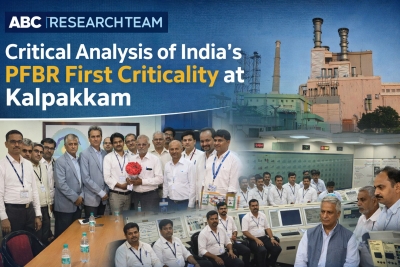

New Delhi (ABC Live): India's nuclear energy programme has entered a new phase. On 6 April 2026 at 8:25 PM, the 500 MWe Prototype Fast Breeder Reactor (PFBR) at Kalpakkam, Tamil Nadu, attained first criticality. The Department of Atomic Energy said the Atomic Energy Regulatory Board cleared the plant systems after a safety review. IGCAR designed the reactor, while BHAVINI built and commissioned it. (PIB) This is not a routine plant update. Instead, it marks one of the most important recent events in India's nuclear energy story. The reason is simple: the PFBR sits at the centre of India's long-running three-stage nuclear programme. The official PIB release describes fast breeder reactors as the bridge between today's reactor fleet and the future thorium-based stage. (PIB) ABC Live's earlier analysis of India's readiness for Small Modular Reactors also helps place this development in context. That report argued that India should treat nuclear energy not only as grid supply but also as strategic and industrial infrastructure. Seen through that wider lens, the PFBR is more than a reactor milestone. It is a test of whether India can move beyond conventional nuclear deployment and master more advanced systems. (ABC Live) In simple terms, first criticality means the reactor has achieved a self-sustaining and controlled fission chain reaction. So, it is a major commissioning event. Even so, it is not the same as commercial power generation. The milestone shows that the reactor core has entered controlled operation. It does not show that the plant has completed the full sequence of testing, power ascension, grid synchronization, and stable rated output. (PIB) That distinction matters. Public discussion often treats the first criticality as if the reactor has already become a fully functioning commercial power station. Such a reading goes too far. A more accurate conclusion is this: India has crossed a historic technical threshold, but the next phase will determine whether it becomes an operational success. This is an analytical inference drawn from the nature of reactor commissioning and the engineering hurdles documented before criticality. (PIB) The PIB release also explains why the PFBR matters so much. Unlike conventional thermal reactors, the PFBR uses uranium-plutonium mixed oxide (MOX) fuel. In addition, the core is surrounded by a blanket of uranium-238. Fast neutrons convert fertile uranium-238 into fissile plutonium-239. As a result, the reactor can generate more usable fuel material than it consumes. The reactor is also designed to eventually use thorium-232 in the blanket. That thorium can then be converted into uranium-233 for the third stage of India's nuclear programme. (PIB) Therefore, the PFBR carries strategic value far beyond its 500 MWe capacity. It aims to improve fuel use, ease pressure on India's limited uranium supply, and support the long-promised shift toward thorium-based nuclear energy. In short, if India's breeder stage works in practice, the country's three-stage doctrine becomes more credible. If it fails to scale, that doctrine will remain more aspirational than transformative. The final sentence is an inference based on the government's own description of PFBR as the bridge to the thorium future. (PIB) The milestone is real. Yet the project's history also shows how hard advanced nuclear systems are to commission. IGCAR's 2025 annual report records a major setback in the PFBR fuel-handling process. According to the report, the transfer pot of the Inclined Fuel Transfer Machine (IFTM) faced an obstruction and could not reach the bottom. Investigators found that one of the tilting rails in the Primary Tilting Mechanism had become dislocated. (IGCAR Annual Report 2025) The same report shows how engineers responded. They developed an alternative fuel-handling scheme. They designed and installed a new fixed transfer pot. In addition, they developed and deployed a portable sub-assembly handling flask so that initial fuel loading could resume after the IFTM malfunction halted the process. (IGCAR Annual Report 2025) These details matter for two reasons. First, they show that the PFBR did not reach criticality through a simple or routine path. Second, they show that the milestone came only after serious first-of-a-kind engineering problems were studied and overcome through indigenous technical work. That strengthens the achievement. At the same time, it reminds us that serious nuclear analysis must separate symbolic success from proven long-run performance. (IGCAR Annual Report 2025) The government is right to call this a landmark for India's nuclear energy programme. The milestone shows that India has stayed on the difficult path of advanced reactor development. The PIB release also highlights the broader capabilities built around the programme, including reactor physics, fuel cycle technologies, sodium coolant systems, advanced materials, and indigenous engineering. (PIB) It is also fair to say that this milestone gives new substance to India's long-standing breeder and thorium narrative. For years, that narrative felt distant to the public. Now, for the first time, it has moved into visible operational territory. Even here, however, caution is necessary. At this stage, that phrase means reactor criticality, not mature fleet performance. The last sentence is a cautious inference based on the official milestone and the documented pre-criticality hurdles. (PIB) A critical analysis must also state what this milestone does not prove. For one thing, it does not yet prove that PFBR will deliver stable, sustained, and economically meaningful nuclear energy over time. Nor does it prove that India can quickly replicate breeder deployment at scale. Beyond that, it does not settle whether the broader three-stage programme can move from strategic doctrine to repeatable energy architecture. These are forward-looking analytical judgments, not direct claims from the sources. They arise from the gap between first criticality and mature commercial operation. (PIB) So this moment should be treated as both a success and a test. India has clearly achieved something significant. However, the real measure of success in nuclear energy will depend on the next steps: system stability, safe power ascension, eventual grid contribution, and the ability to turn prototype learning into future breeder deployment. At this point, the PFBR story moves from scientific symbolism to institutional proof. (PIB) The PFBR's first criticality is one of the most important recent milestones in India's nuclear energy programme. It validates years of indigenous scientific and engineering work. Moreover, it strengthens the strategic logic behind India's breeder and thorium ambitions. The official PIB release fully supports the claim that the event is historic. (PIB) At the same time, the IGCAR annual report offers an important reminder. Nuclear milestones demand engineering realism. The PFBR reached this point only after technical setbacks, redesign, and alternative handling systems. Therefore, the strongest and fairest conclusion is this: India has achieved a real nuclear breakthrough at Kalpakkam, but the full verdict on PFBR will depend on what happens after first criticality. (IGCAR Annual Report 2025) PFBR's first criticality is a real breakthrough for India's nuclear energy programme. Yet the true test begins only after the applause, when commissioning must turn into reliable performance. We based this report on the official PIB release announcing the PFBR's first criticality and explaining its role in India's three-stage nuclear programme. Next, we checked IGCAR's 2025 annual report, which documents the fuel-handling setback, the IFTM rail problem, and the alternative systems engineers developed to resume fuel loading. We also used ABC Live's earlier analysis on India's readiness for Small Modular Reactors to place this event in the wider context of India's nuclear preparedness, deployment maturity, and strategic direction. Official PIB release: Prototype Fast Breeder Reactor at Kalpakkam, Tamil Nadu attains First Criticality. (PIB) ABC Live internal link: Critical Analysis of India's Readiness for Small Modular Reactors. (ABC Live)


Patna: Four private power companies -- Adani Power, JSW Energy, Torrent Power and Bajaj Group's Lalitpur Power -- have shown interest in setting up a 2,400-MW thermal power plant at Pirpainti in Bihar's Bhagalpur district, an energy department official said here on Friday. It will be first private sector investment -- a whopping Rs 21,400 crore -- in power sector in Bihar. Under the project, three plants -- each of 800-MW capacity -- will be set up at Pirpainti as part of Tariff-based Competitive Bidding (TBCB) process, for which Bihar State Power Generation Company Limited (BSPGCL), Patna, wi ...Read More >


New Delhi: The Centre is exploring the option of converting retired coal-based power plants to nuclear plants, said two people in the know of the developments. The need for conversion arises due to the requirement of large land parcels for nuclear plants even as the government aims to install over 22 GW of nuclear capacity by 2032 and 100 GW by 2047 from the current 8.7 GW. The government has already asked states to come up with plans to set up at least one nuclear plant each. "The possibility of converting retired thermal plants is being looked at and talks are underway within the governme ...Read More >
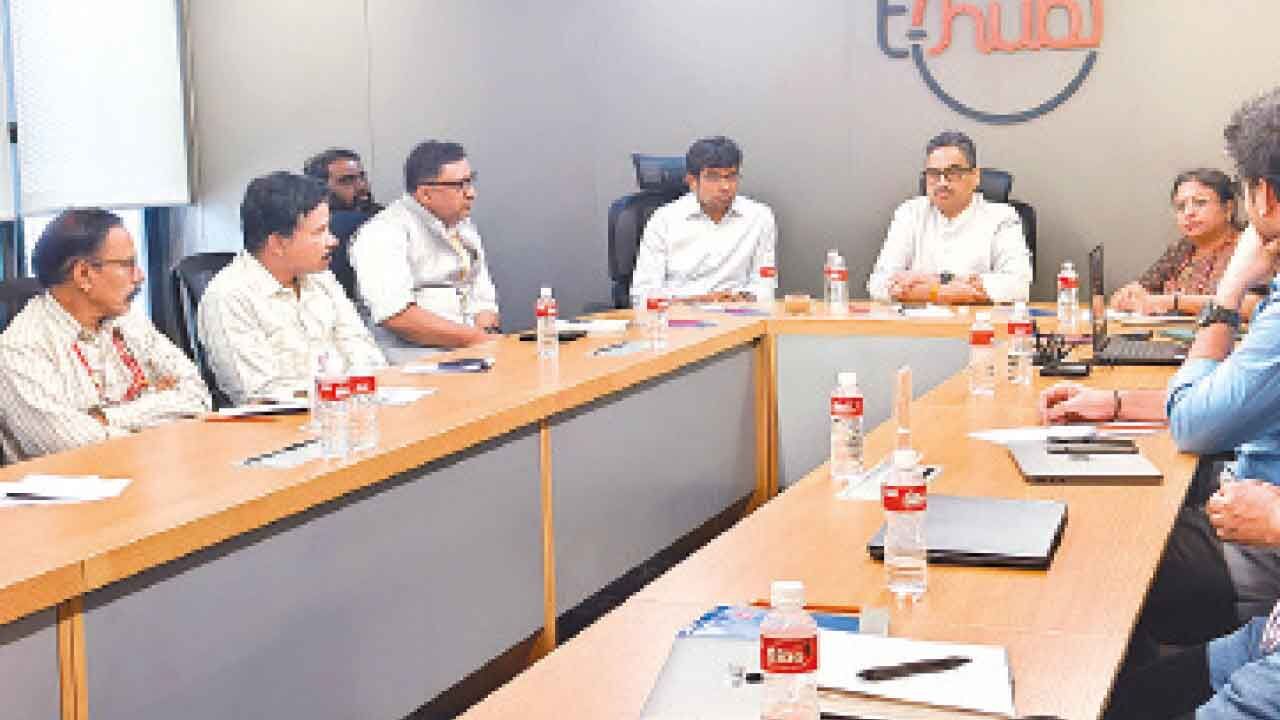

Hyderabad: The Ministry of Information and Broadcasting is taking bold strides to position India at the forefront of the global creative economy with the strategic use of artificial intelligence, said Union I&B Secretary Sanjay Jaju. Addressing during a high-profile meeting held on Thursday at T-Hub Hyderabad, he invited India's top AI and ML startups to join the Ministry's ambitious challenges -- Kalaa Setu and Bhasha Setu -- launched under the WaveX Startup Accelerator Platform. Jaju emphasized that these initiatives align with the Prime Minister's vision of nurturing a thriving creator ec ...Read More >


Hyderabad, Aug 1 (SocialNews.XYZ) Telangana's Deputy Chief Minister Mallu Bhatti Vikramarka, along with three state ministers, on Friday inaugurated the 800 MW Unit 1 of the Yadadri Thermal Power Station. With this, two units of the 4,000 MW (5x800 MW) power plant have been commissioned. The Deputy Chief Minister, who is also the Energy Minister, along with ministers N. Uttam Kumar Reddy, Komatireddy Venkat Reddy, and Adluri Lakshman, inaugurated the unit near Damaracherla in Nalgonda district. They also laid the foundation stone for an integrated township in Yadadri Thermal Power Station ( ...Read More >

New Delhi, Sep 29 (SocialNews.XYZ) India's industrial growth, based on the Index of Industrial Production (IIP), accelerated 4 per cent in August this year driven by a strong performance in the mining sector, according to data released by the Ministry of Statistics on Monday. The industrial growth rate has accelerated for the second month in a row from a four-month high of 3.5 per cent in July which in turn had surged from 1.5 per cent in June. The mining sector bounced back with a strong growth of 6 per cent during August compared to the same month of the previous year, reversing the contra ...Read More >
Chennai: India's fast breeder reactor programme achieved twin milestones this week. The Fast Breeder Test Reactor (FBTR) at the Indira Gandhi Centre for Atomic Research (IGCAR), Kalpakkam, marked 40 years of attaining first criticality. Meanwhile, engineers began loading fuel into the Prototype Fast Breeder Reactor (PFBR), the country's most advanced and complex atomic power plant.Officials said the Atomic Energy Regulatory Board (AERB) recently granted permission for fuel loading into the 500 MW ...Read More >
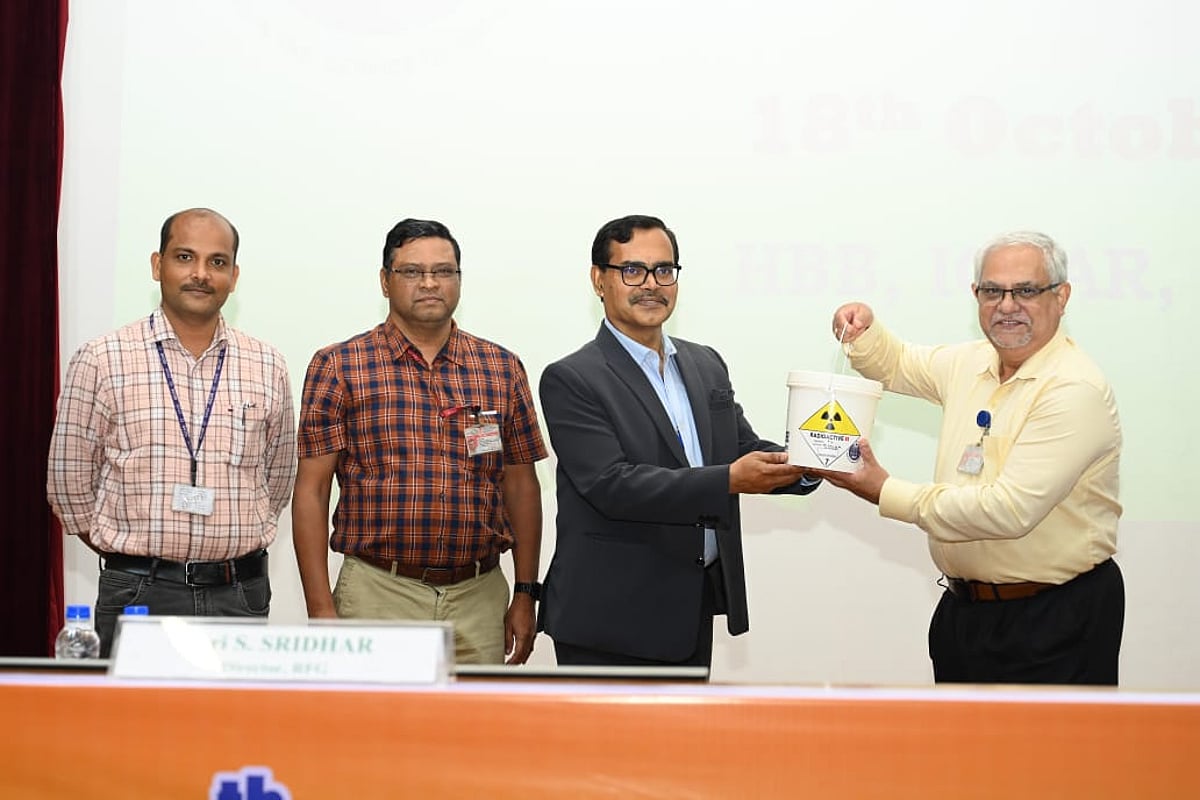

CHENNAI: The Indira Gandhi Centre for Atomic Research (IGCAR) in Kalpakkam has marked 40 years since the Fast Breeder Test Reactor (FBTR) first went critical on 18 October 1985, celebrating the milestone of India's pioneering indigenous fast breeder programme. The 40 MWt/13.6 MWe sodium-cooled reactor has remained central to India's nuclear advancement, conceived as a test bed for advanced fuels and structural materials. Over four decades, it has generated vital operational data that has informed the design and development of the Prototype Fast Breeder Reactor (PFBR) and future reactor system ...Read More >

AHMEDABAD: The Gujarat government has revealed in the state Assembly that it spent Rs 45,933 crore in just two years purchasing electricity from private power producers, while also admitting that it cannot identify the sector-wise consumption of the electricity once it enters the grid. The data surfaced after Shailesh Parmar, a Congress MLA, sought detailed information on the state's electricity purchases. Responding in a written reply on Thursday, Gujarat's Energy Minister confirmed that the government bought 1,01,161 million units of electricity from private units during the last two years ...Read More >
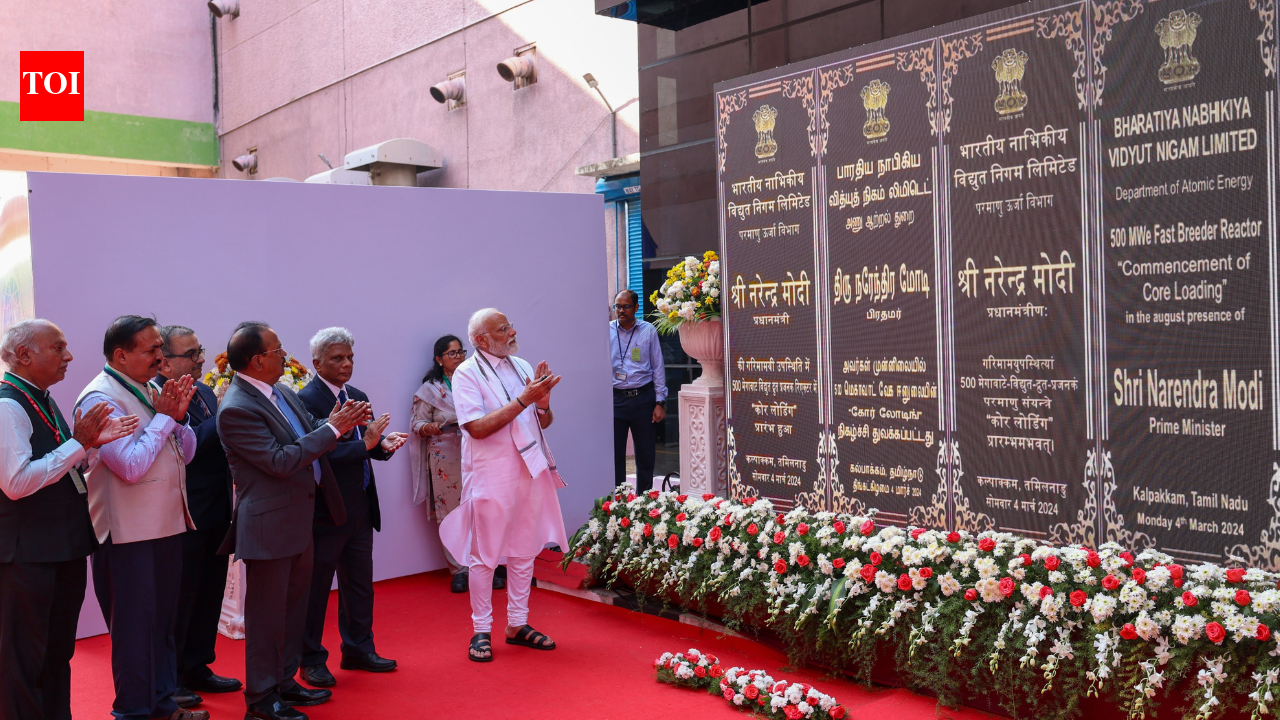
NEW DELHI: In a big boost for India's civil nuclear energy production, the indigenously designed and built Prototype Fast Breeder Reactor (PFBR) at Kalpakkam in Tamil Nadu has attained criticality.Congratulating Indian scientists and engineers on the reactor attaining criticality, PM Narendra Modi posted on X, "Today, India takes a defining step in its civil nuclear journey, advancing the second stage of its nuclear programme."This advanced reactor, capable of producing more fuel than it consumes, reflects the depth of our scientific capability and the strength of our engineering enterprise. I ...Read More >
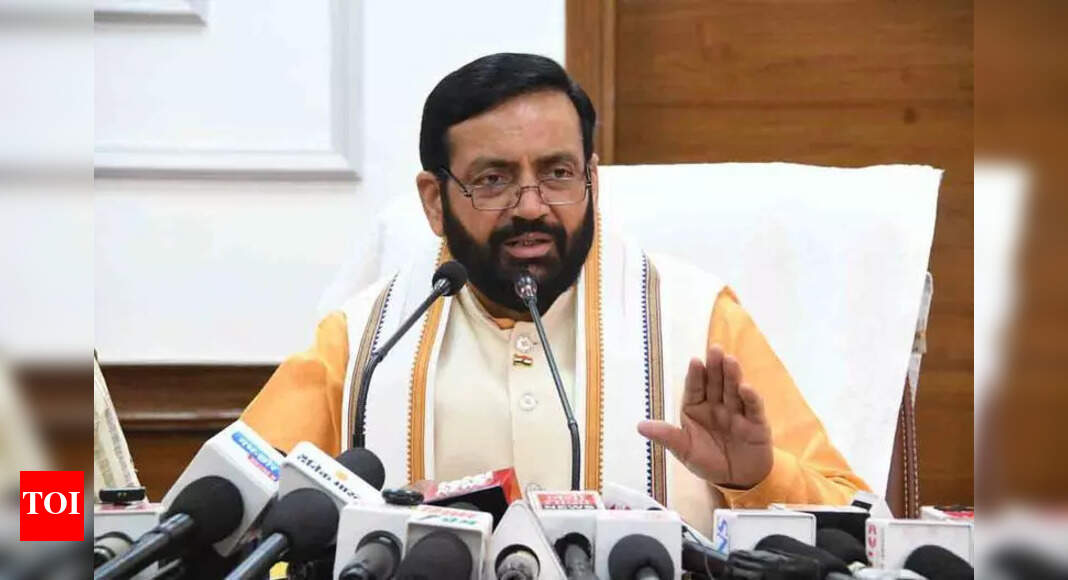
Chandigarh: Haryana chief minister Nayab Singh Saini on Tuesday said the state govt was consistently working to provide better resources to the doctors and quality healthcare services to the citizens.He mentioned that medical colleges were being established in every district.While there were only six medical colleges in 2014, the number has now increased to 15, and nine new colleges are under construction. As a result, MBBS seats in the state increased from 700 in 2014 to 2,185, at present. The state govt aims to increase the MBBS seats to over 3,400 by 2029, said Saini.The CM was addressing a ...Read More >


New Delhi [India], July 20 (ANI): The exemption of Flue Gas Desulphurization (FGD) systems for some coal-based power plants is a positive for thermal power producers, according to a report by CareEdge Ratings. The Ministry of Environment, Forest and Climate Change (MoEF), vide its notification dated July 11, 2025, has issued significant amendments to the Flue Gas Desulphurisation (FGD) norms, particularly concerning the sulphur dioxide emission standards for coal and lignite-based thermal power plants. FGD is a system that removes sulphur dioxide (SO₂) from the smoke released by coal-fired p ...Read More >


New Delhi, Oct 17 (PTI) India's most complex atomic power plant -- the Prototype Fast Breeder Reactor -- moved a step forward as engineers started loading fuel into the unit, which will be the only second of its kind in the world. The Atomic Energy Regulatory Board (AERB) granted permission for loading fuel into the 500 MWe Prototype Fast Breeder Reactor being developed by the Bhartiya Nabhikiya Vidyut Nigam (BHAVINI) at Kalpakkam in Tamil Nadu. "We faced technical problems in loading the fuel in March last year. We have solved those problems, and got the regulatory clearance to load fuel on ...Read More >

Agartala, Nov 11 (SocialNews.XYZ) In a major push to boost power generation amid a natural gas shortage, the Tripura government will introduce Combined Cycle Gas Turbine (CCGT) technology at the Rukhia Power Plant in Sepahijala district, increasing its generation capacity by 120 megawatt (MW). Power Minister Ratan Lal Nath said on Monday that the foundation stone and Bhumi Pujan for the project will be held on November 26. Nath, who also holds the Agriculture portfolio, said that despite the ongoing gas crisis, the Tripura State Electricity Corporation Limited (TSECL) has initiated measures ...Read More >


New Delhi: The government on Monday failed to introduce a Bill that sought to repeal the Mahatma Gandhi National Rural Employment Guarantee Act (MGNREGA) and replace it with a proposed law -- The Viksit Bharat Guarantee for Rozgar and Ajeevika Mission (Gramin) (VB G RAM G) Bill, 2025 -- after facing stiff opposition. The VB G RAM G Bill was listed in the Lok Sabha in the supplementary list of business issued on Monday. It was to be introduced by rural development minister Shivraj Singh Chouhan. "Why is Mahatma Gandhi's name being removed? Mahatma Gandhi is considered the tallest leader not j ...Read More >
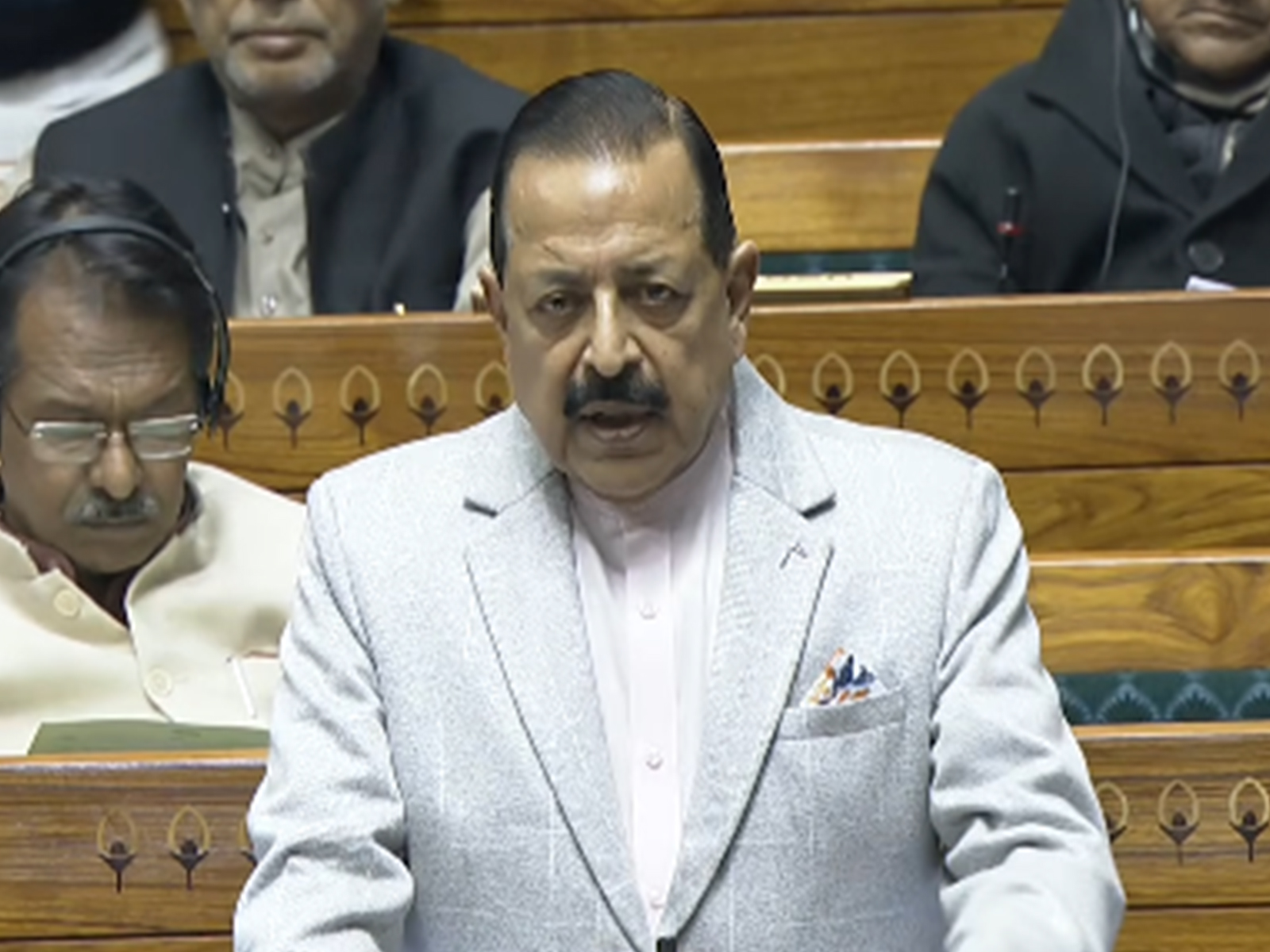

New Delhi [India], December 17 (ANI): Minister of State (Independent Charge) for Science and Technology and Atomic Energy Jitendra Singh on Wednesday addressed questions raised by Opposition MPs regarding the recently tabled 'The Sustainable Harnessing and Advancement of Nuclear Energy for Transforming India Bill, 2025'. Taking part in the debate in Lok Sabha on Wednesday, Singh said that certain Opposition MPs were pushing "contradictory" facts and statements. He said that a lot of provisions mentioned in the new bill were already there in the previous legislation. "There were certain obje ...Read More >

A Russian strike on a nine-story building in the city of Sumy in northern Ukraine killed eight people and wounded dozens, an official said Sunday (November 17, 2024), as Russia launched a massive drone and missile attack described by officials as the largest in recent months. "Among the eight killed in Sumy, 40 kilometers (24 miles) from the border with Russia, were two children," said Ukraine's Minister of Internal Affairs Ihor Klymenko. More than 400 people were evacuated from the building. Ukraine's Zelenskyy urges allies to take steps before North Korean troops reach the front The rescu ...Read More >
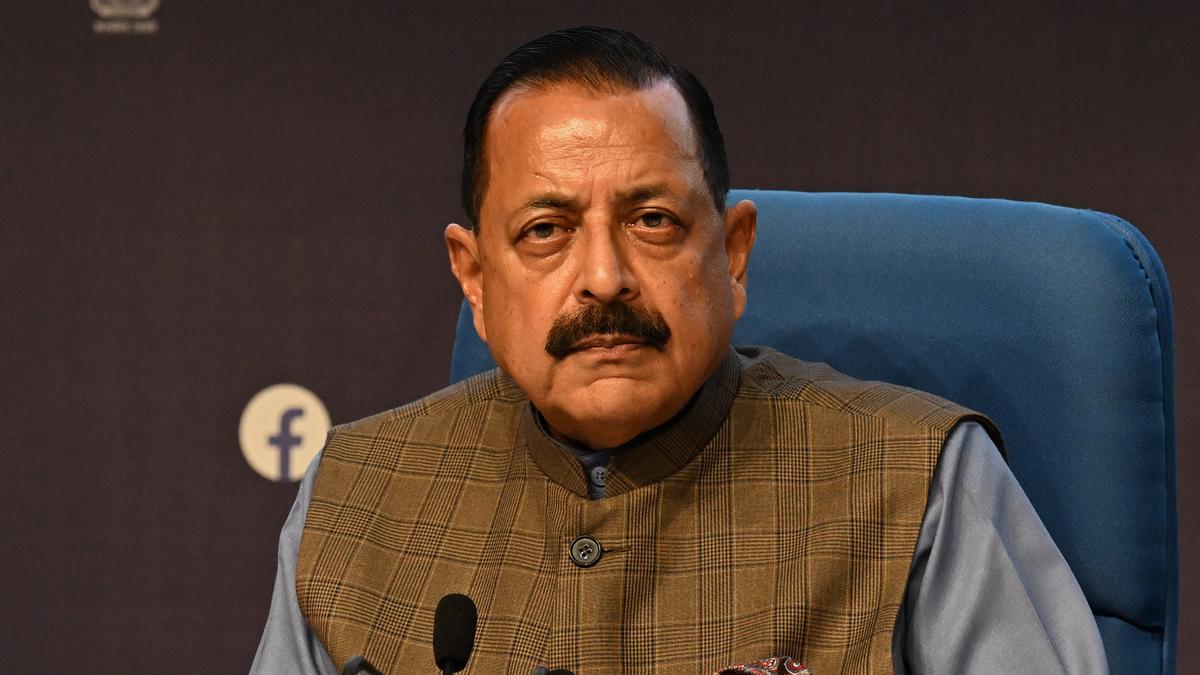
India will be able to address the apprehensions of the private sector globally about investments in the civil nuclear sector, which was opened up to achieve the ambitious target of producing 100 GW of atomic power by 2047, Union Minister Jitendra Singh has asserted. Mr. Singh, who oversees the Department of Atomic Energy, said changes in relevant rules and legislations will have to be made to facilitate the entry of the private sector in the field of nuclear energy, which currently is under tigh ...Read More >
Bharat Heavy Electricals Ltd. (BHEL) has received a ₹13,500 crore order from NTPC Ltd. for the main plant package of the 3x800 MW Telangana Stage-II supercritical thermal power project, the company said in an exchange filing on Monday, March 30. The Notification of Award (NOA) pertains to the project located in the Peddapalli district of Telangana. The scope of work includes design, engineering, manufacturing, supply, erection, commissioning, and testing of the main plant package, covering bo ...Read More >

New Delhi, April 1 (Reuters): Coal India's (COAL.NS), opens new tab sales in March grew for the first time in six months, the company said on Wednesday, indicating a ramp-up in coal stocks ahead of peak summer amid a shortfall in gas supply due to the U.S.-Israeli war against Iran. Coal India's offtake, or sales to customers, rose 0.7% to 69.5 million tons in March, despite a 1.5% drop in its provisional output to 84.5 million tons, the company said in a stock exchange filing. The state-run company accounts for over 80% of the country's production and is the world's largest coal miner by ou ...Read More >
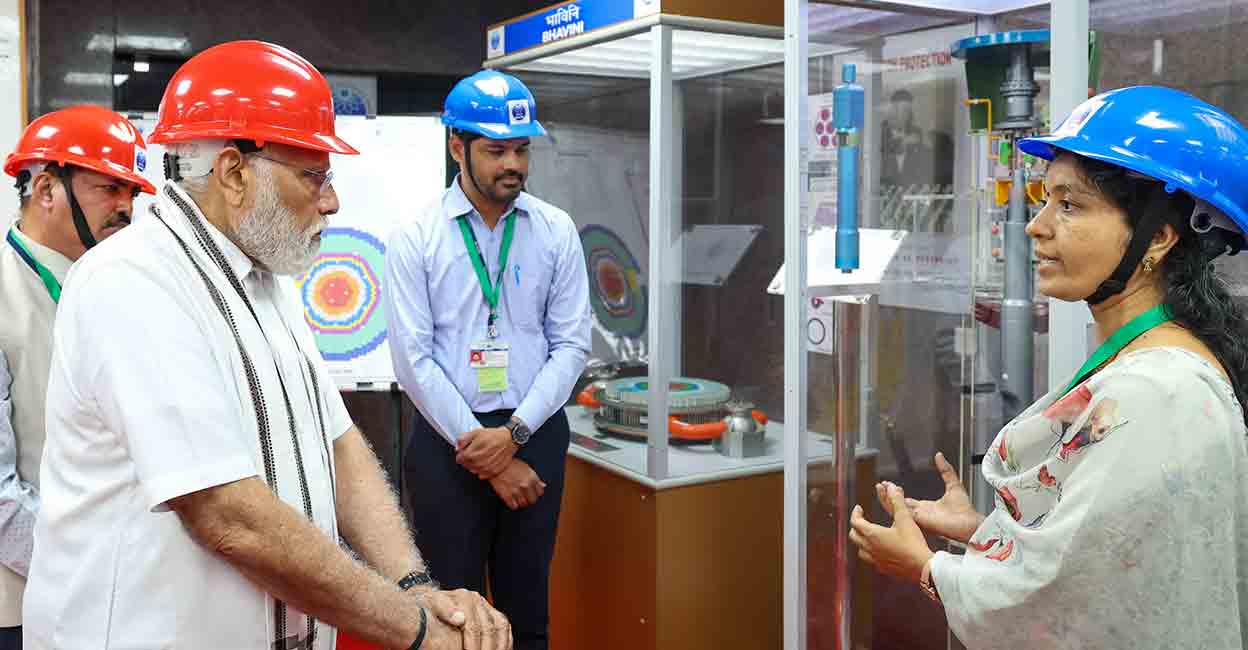

New Delhi: Prime Minister Narendra Modi on Monday announced that the Prototype Fast Breeder Reactor (PFBR) at Kalpakkam in Tamil Nadu has attained criticality, marking a major milestone in India's "civil nuclear journey". The Prime Minister described the development as a "defining step" that advances the second stage of India's three-stage nuclear programme. "India takes a defining step in its civil nuclear journey, advancing the second stage of its nuclear programme," he said in a post on X. The PFBR, which has been indigenously designed and built, is capable of producing more fuel than it ...Read More >
Bihar's infrastructure has seen a 15-fold increase in data consumption over the past five years. Road density is now the third highest in India, electricity generation has increased tenfold, and IT parks and data centers are being developed. Numerous bridges and expanded rail lines are improving connectivity and boosting trade.Bihar has seen a 15-fold jump in data consumption in the last five years as the state goes big on developing infrastructure, investing in connectivity and building rail and ...Read More >
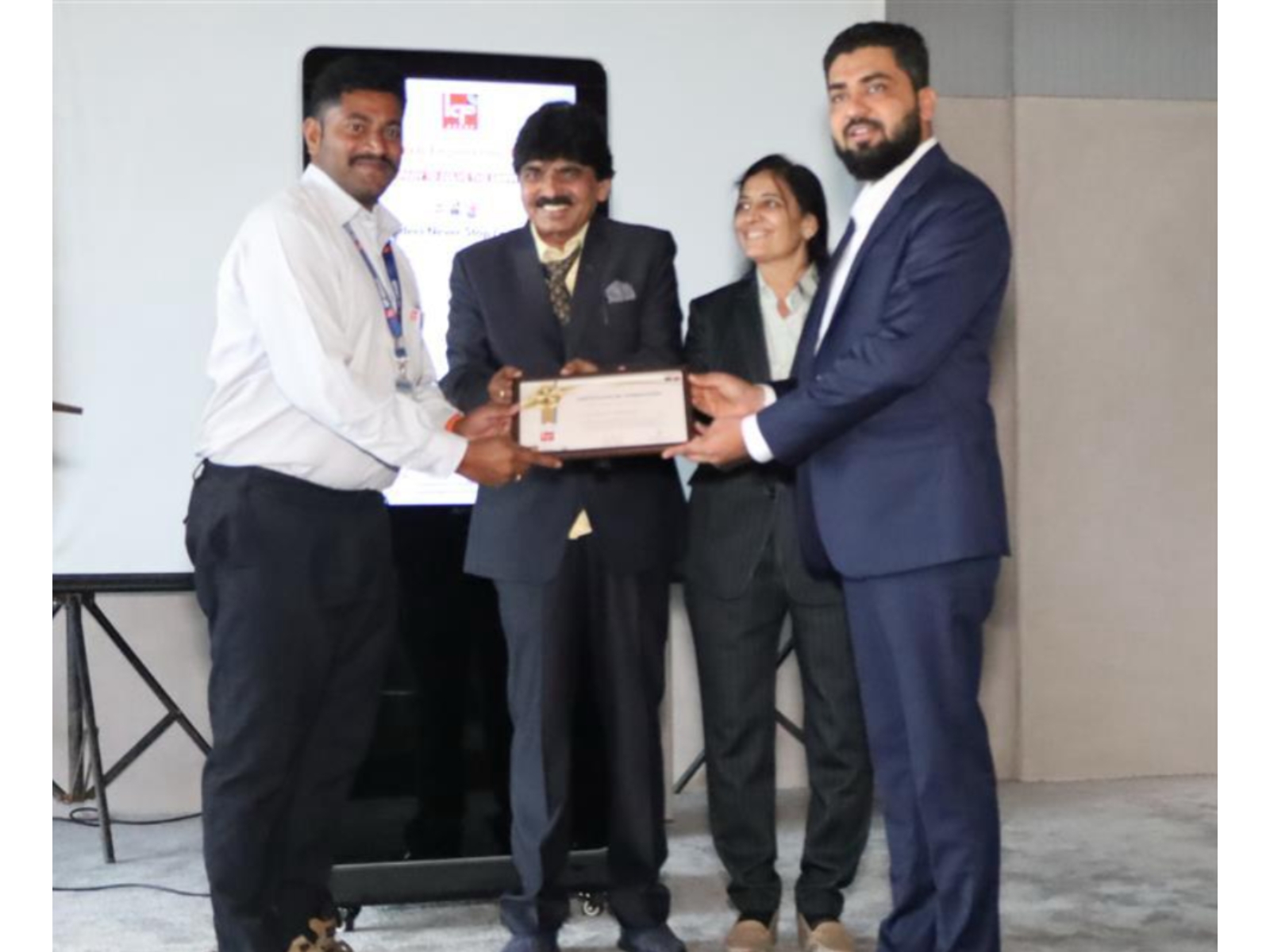

PNN Surat (Gujarat) [India], September 23: KP Group, a leading name in India's renewable energy sector, organised an intensive training programme on green hydrogen at its state-of-the-art facility at Matar in Bharuch, in collaboration with the Power Sector Skill Council (PSSC). The training underscored KP Group's focus on skill development and workforce readiness in the emerging green hydrogen economy. Over 35 participants successfully completed this intensive training and was awarded with certifications, gaining hands-on exposure to green hydrogen technologies and becoming part of India's f ...Read More >

Over the course of the day, PM Modi logged nearly 4.5 hours of air travel, including 2 hours of chopper rides, to connect with people and projects across multiple states Prime Minister Narendra Modi's day on September 25th was marked by a hectic schedule and diverse engagements, reflecting both his pace of work and his outreach across multiple sectors, despite being on a 9-day fast during Navratri. Over the course of the day, PM Modi logged nearly 4.5 hours of air travel, including 2 hours of c ...Read More >

The effective closure from the Iran war of the Strait of Hormuz -- the critical chokepoint for roughly 20% of the world's oil and liquefied natural gas -- is in its fifth week with no clear signs of resolving. For Asia, which buys more than 80% of the crude and LNG that flows through the narrow waterway, the consequences have been swift: severe fuel shortages, export bans, and government budgets stretched to the breaking point. The crisis is forcing Asia to look both backward and forward simulta ...Read More >
New Delhi, Apr 2 (PTI) NTPC on Thursday said it generated 432.2 billion units of electricity and achieved highest every capacity addition of 9,619 MW in fiscal year 2025-26. NTPC added 5,488 MW of renewable capacity in FY26 across solar, wind, and Pumped Storage Projects (PSP), a company statement said. In FY26, NTPC achieved coal production of 48.65 million tonne, registering a steady 6.22 per cent year-on-year (YoY) growth. The company also recorded a strong growth in power trading, with 46.52 billion units traded in FY26, marking 13 per cent year-on-year growth. NTPC achieved 105 per cent ...Read More >
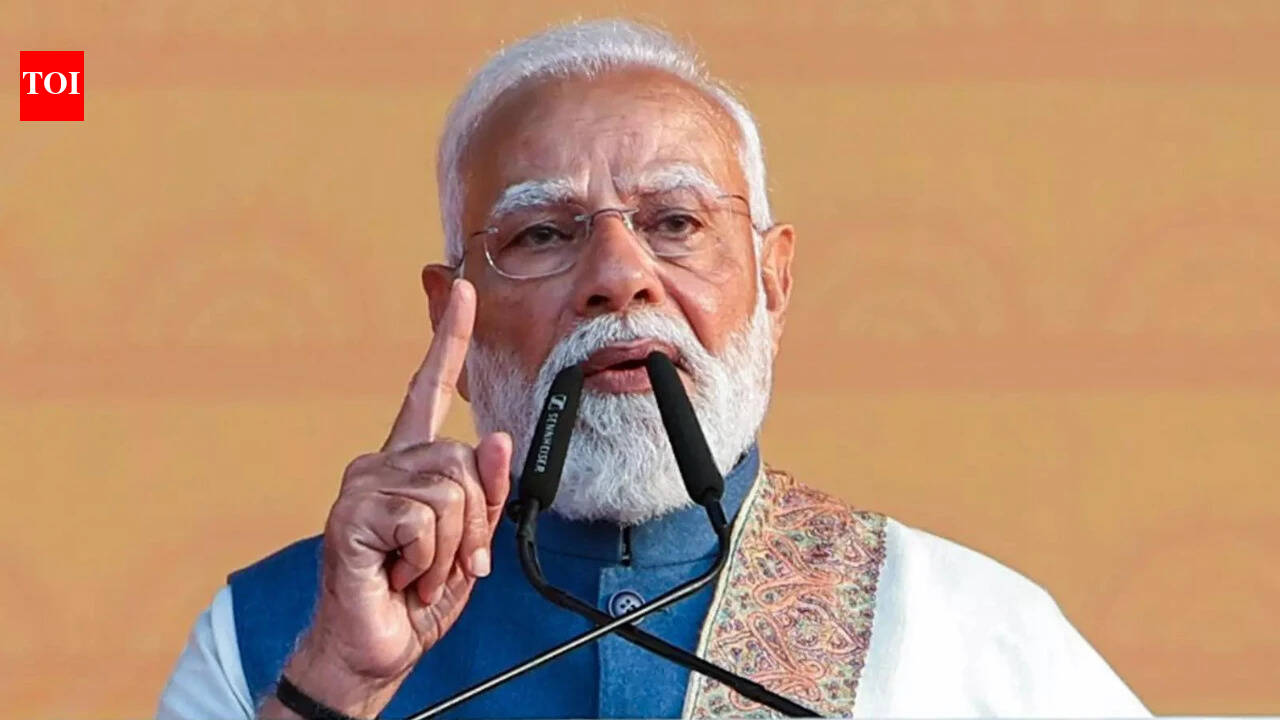
NEW DELHI: Prime Minister Narendra Modi on Monday said India had taken a "defining step" in its civil nuclear journey after the Prototype Fast Breeder Reactor (PFBR) at Kalpakkam attained criticality, marking a major milestone in the country's nuclear energy programme.In a post on X, PM Modi said the indigenously designed and built reactor represented progress in the second stage of India's three-stage nuclear programme and underlined the country's long-term goal of tapping its large thorium reserves."Today, India takes a defining step in its civil nuclear journey, advancing the second stage o ...Read More >
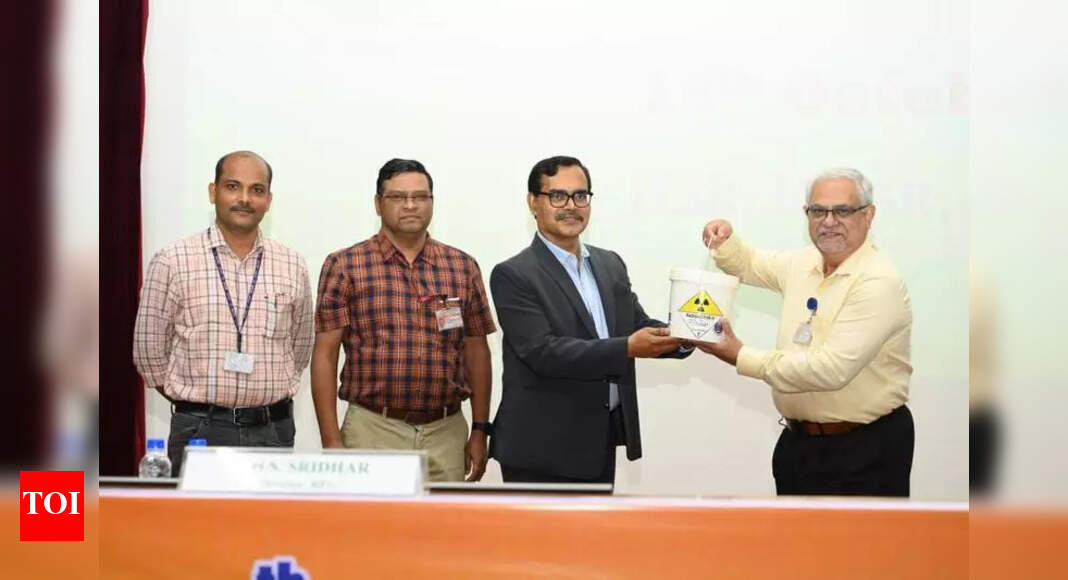
Chennai: India's fast breeder reactor programme achieved twin milestones this week. The Fast Breeder Test Reactor (FBTR) at the Indira Gandhi Centre for Atomic Research (IGCAR), Kalpakkam, marked 40 years of attaining first criticality. Meanwhile, engineers began loading fuel into the Prototype Fast Breeder Reactor (PFBR), the country's most advanced and complex atomic power plant.Officials said the Atomic Energy Regulatory Board (AERB) recently granted permission for fuel loading into the 500 MWe PFBR being developed by Bharatiya Nabhikiya Vidyut Nigam (BHAVINI) at Kalpakkam. The reactor is e ...Read More >
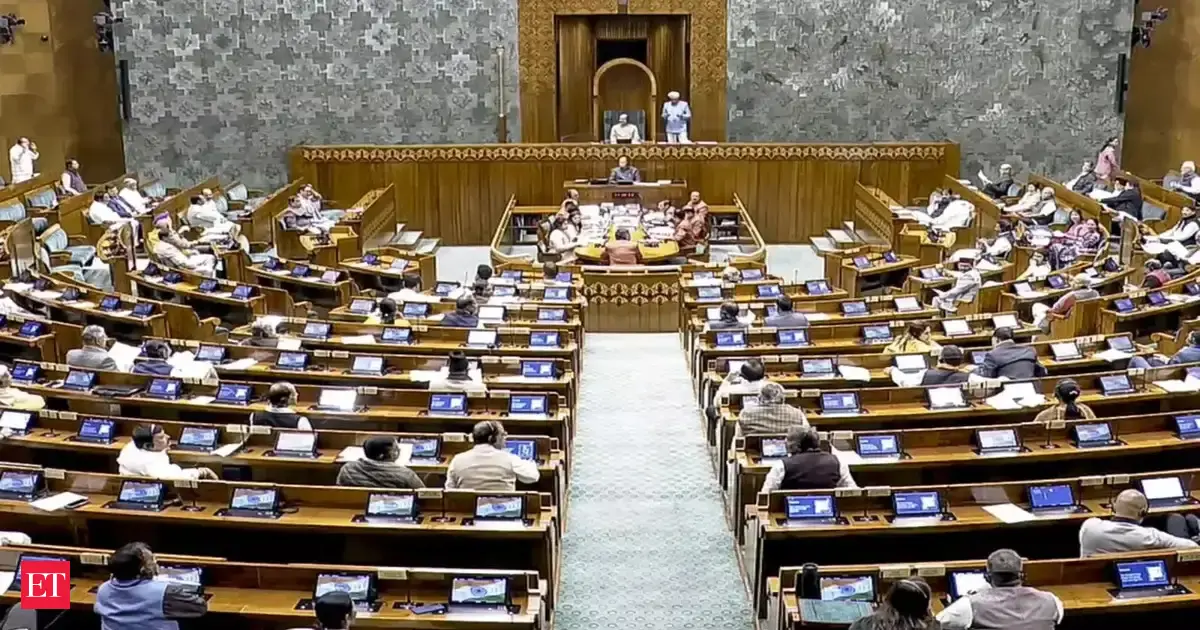

New Delhi: Two major reform bills-one to open up and modernise India's nuclear energy sector, and another to overhaul higher education regulation-alongside a proposal to repeal 71 obsolete laws were introduced in the Lok Sabha on Monday. The Sustainable Harnessing and Advancement of Nuclear Energy for Transforming India (SHANTI) Bill, 2025, aims to unlock India's nuclear power potential by replacing the Atomic Energy Act, 1962, and the Civil Liability for Nuclear Damage Act, 2010. The move is significant as India targets a sharp expansion in nuclear capacity to support its clean energy transi ...Read More >
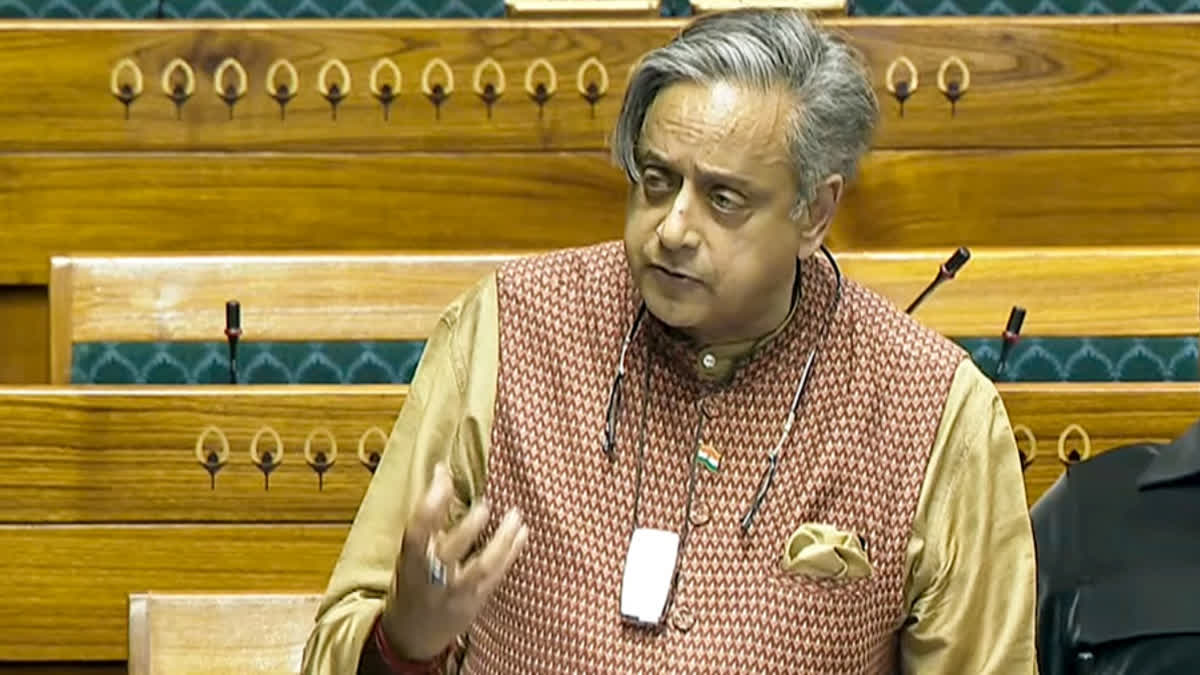

New Delhi: Congress MP Shashi Tharoor on Wednesday described the government's nuclear energy bill as a "dangerous leap into privatised nuclear expansion" without adequate safeguards and asserted that the pursuit of capital cannot be allowed to override the requirements of public safety, environmental protection and victim justice. Participating in a debate on the Sustainable Harnessing and Advancement of Nuclear Energy for Transforming India (SHANTI) Bill in the Lok Sabha, Tharoor claimed that the proposed legislation is ridden with exceptions, heavy on discretion and largely indifferent to p ...Read More >
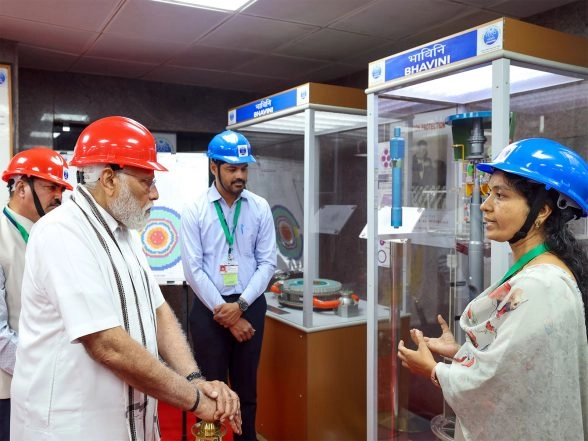

New Delhi [India], April 6 (ANI): Prime Minister Narendra Modi on Monday lauded India's first indigenous Prototype Fast Breeder Reactor at Kalpakkam for attaining criticality, calling it a "defining step in India's civil nuclear journey". In a post on X, the PM reflected on the strengths of the reactor and recognised this as a "decisive step towards harnessing our vast thorium reserves." Expressing pride over the achievement, the PM congratulated the scientists and engineers involved in the programme. Also Read | Breach of Discipline During PM Modi Rally: Kerala Police Begins Probe Into Offi ...Read More >