
Is India ready for the AI revolution? The rapid advancements in artificial intelligence, from generative AI tools to sophisticated machine learning algorithms, are transforming industries across the nation. From fintech's burgeoning use of AI-powered fraud detection to the agricultural sector's embrace of precision farming technologies, the impact is undeniable. This week saw a major breakthrough in indigenous 5G technology development, signaling India's growing prowess in the global tech landscape. But alongside this progress comes the crucial discussion surrounding data privacy, cybersecurity, and the ethical implications of AI deployment. How will India navigate these challenges and harness the transformative power of technology for inclusive growth? Explore the latest developments in Indian tech, from the rise of digital payments to the burgeoning startup ecosystem, and discover how innovation is shaping the nation's future. Stay informed with Abtak.com – your gateway to understanding the tech revolution reshaping India.


New Delhi, Apr 7 (PTI) With India's first indigenous prototype fast breeder reactor (PFBR) at Kalpakkam in Tamil Nadu attaining criticality on Monday, experts said the development is a significant boost to the country's three-stage nuclear programme. Formulated in the 1950s by Dr Homi Bhabha, the programme seeks to make India self-reliant in the nuclear power sector by exploiting the vast thorium reserves found in the monazite sands of the coastal regions of south India. Talking to PTI, Debasish Mishra, partner at Deloitte India, said, "The PFBR reaching criticality is a seminal moment in India's technical progress toward nuclear self-reliance." Attaining criticality means that the nuclear reaction in the reactor has become self-sustaining and will eventually lead to the generation of electricity. The programme's first stage comprises setting up indigenous, natural uranium-fuelled pressurised heavy water reactors (PHWRs). Currently, there are 18 to 20 such reactors in the country and these form the backbone of the nuclear power programme. The second stage involves developing indigenous FBRs fuelled by plutonium and uranium recovered by reprocessing the first-stage spent fuel. FBR is a type of nuclear reactor that can convert fertile, or non-fissile, material, such as uranium-238, into fissile material like plutonium-239. E A S Sarma, former secretary with the Ministry of Power, told PTI, "Unlike conventional thermal reactors (such as PHWRs), the PFBR uses a uranium-plutonium mixed oxide (MOX) fuel. The core of the PFBR is surrounded by a blanket of uranium-238 and fast neutrons convert that fertile uranium-238 into fissile plutonium-239." This enables the reactor to produce more fuel than it consumes. That is why the FBR is called a "breeder" reactor. The PFBR is designed in such a way that it would be able to use thorium-232 in the blanket and convert it into fissile uranium-233, which will fuel the third stage of the nuclear power programme and generate electricity. Thorium itself is not a fissile material and thus, cannot undergo fission to produce energy. As a result, thorium-232 has to be converted into uranium-233 through transmutation. "India has ample thorium reserves -- 25 per cent of the world's thorium is found here. Reaching the third stage of the nuclear programme is the ultimate panacea for India's energy security as envisaged by Dr Bhabha," Mishra said. Despite the latest achievement for India's nuclear programme, some concerns continue to persist, according to Sarma. The former bureaucrat cautioned against shifting focus towards importing light water reactors (LWRs), which use enriched uranium as fuel and are a mainstay of the global nuclear programme. "The original goal was a self-reliant programme based on indigenous resources, moving from heavy water reactors to the fast breeder route to access thorium. Now, there is a deluge of these new LWRs from the West. They are an entirely different technology based on uranium fuel that must be imported from abroad. It looks as though we are working at cross purposes," Sarma said. The Sustainable Harnessing and Advancement of Nuclear Energy for Transforming India Act, 2025, which was passed by Parliament in December last year, opened the possibility of more imported LWR-based nuclear projects of the kind being set up by the Russians in Kudankulam. This was done by addressing several liability concerns of nuclear equipment vendors through the new law. Mishra said, "There are two issues with LWRs. First, they are expensive. The cost is in excess of Rs 40 crore per megawatt. Second, suppliers have always had concerns around liability. While the government has addressed liability issues with the SHANTI Act, commerciality still needs to be addressed." PTI ALC RC


New Delhi: The Centre is exploring the option of converting retired coal-based power plants to nuclear plants, said two people in the know of the developments. The need for conversion arises due to the requirement of large land parcels for nuclear plants even as the government aims to install over 22 GW of nuclear capacity by 2032 and 100 GW by 2047 from the current 8.7 GW. The government has already asked states to come up with plans to set up at least one nuclear plant each. "The possibility of converting retired thermal plants is being looked at and talks are underway within the governme ...Read More >
Chennai: India's fast breeder reactor programme achieved twin milestones this week. The Fast Breeder Test Reactor (FBTR) at the Indira Gandhi Centre for Atomic Research (IGCAR), Kalpakkam, marked 40 years of attaining first criticality. Meanwhile, engineers began loading fuel into the Prototype Fast Breeder Reactor (PFBR), the country's most advanced and complex atomic power plant.Officials said the Atomic Energy Regulatory Board (AERB) recently granted permission for fuel loading into the 500 MW ...Read More >
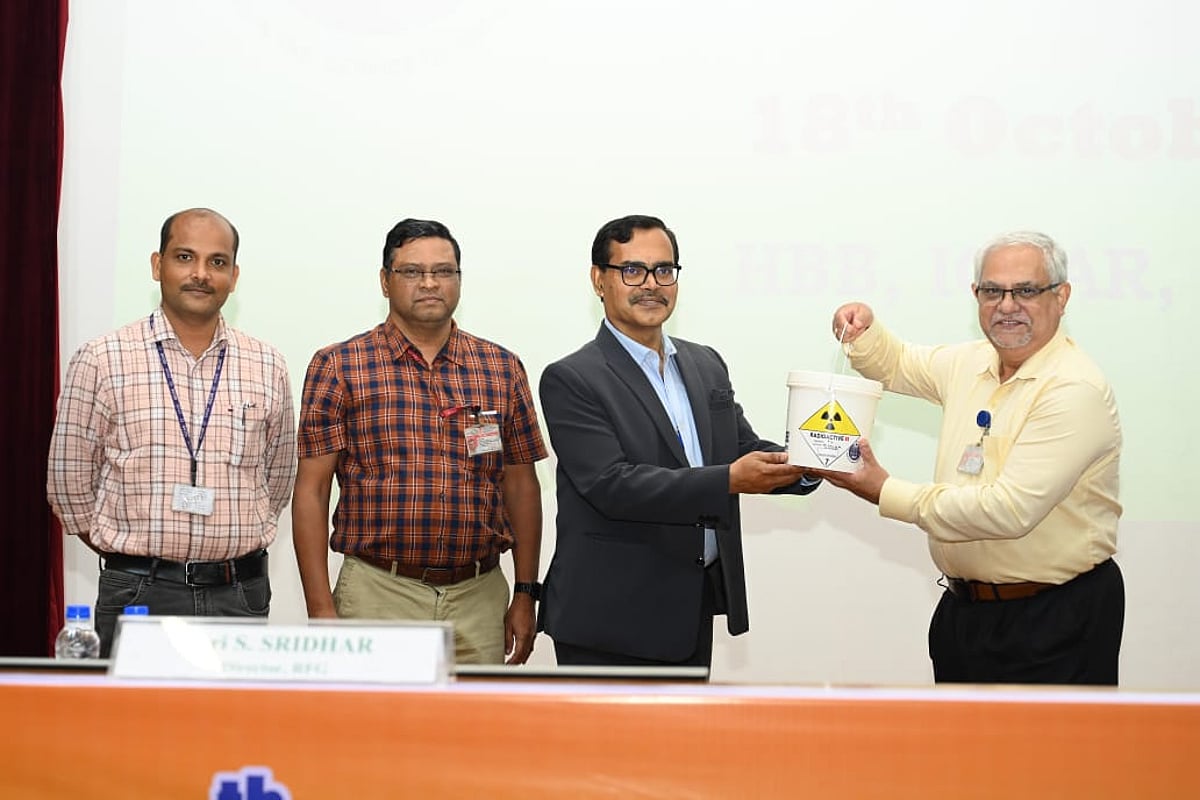

CHENNAI: The Indira Gandhi Centre for Atomic Research (IGCAR) in Kalpakkam has marked 40 years since the Fast Breeder Test Reactor (FBTR) first went critical on 18 October 1985, celebrating the milestone of India's pioneering indigenous fast breeder programme. The 40 MWt/13.6 MWe sodium-cooled reactor has remained central to India's nuclear advancement, conceived as a test bed for advanced fuels and structural materials. Over four decades, it has generated vital operational data that has informed the design and development of the Prototype Fast Breeder Reactor (PFBR) and future reactor system ...Read More >
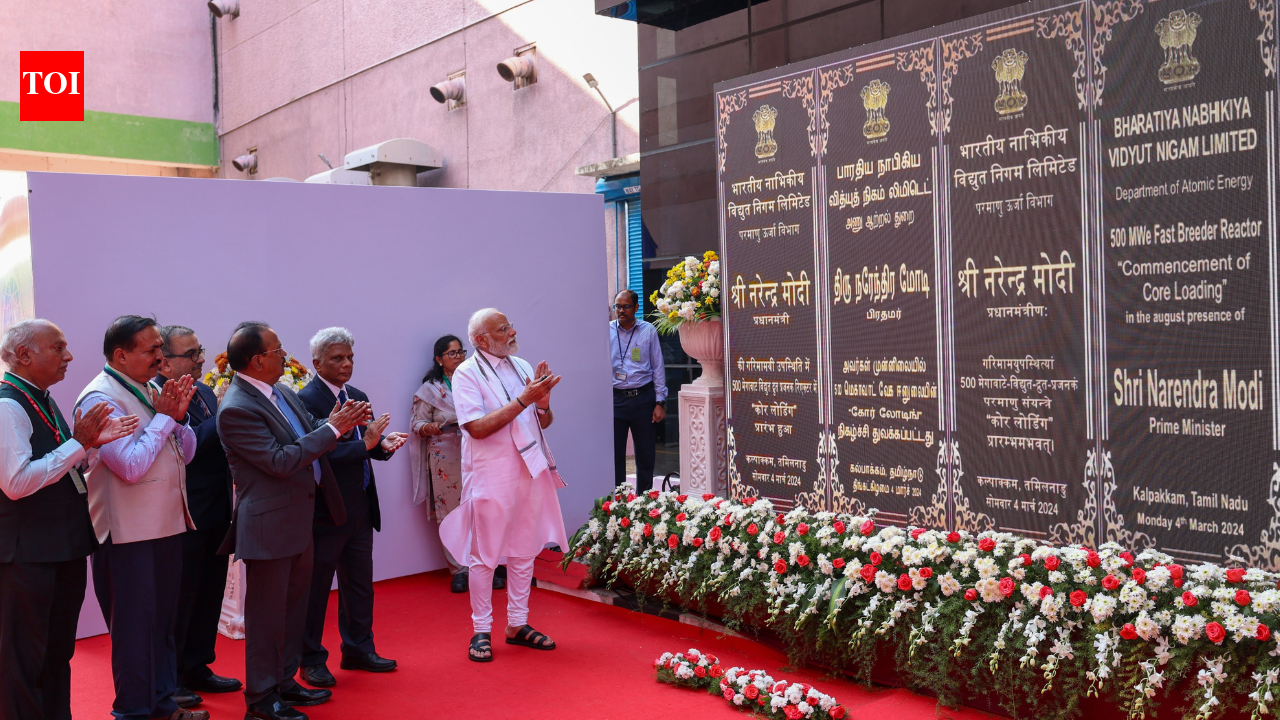

NEW DELHI: In a big boost for India's civil nuclear energy production, the indigenously designed and built Prototype Fast Breeder Reactor (PFBR) at Kalpakkam in Tamil Nadu has attained criticality.Congratulating Indian scientists and engineers on the reactor attaining criticality, PM Narendra Modi posted on X, "Today, India takes a defining step in its civil nuclear journey, advancing the second stage of its nuclear programme."This advanced reactor, capable of producing more fuel than it consumes, reflects the depth of our scientific capability and the strength of our engineering enterprise. I ...Read More >


New Delhi: Union Minister for New and Renewable Energy (MNRE) Pralhad Joshi on Wednesday said that India has ranked third globally in renewable energy installed capacity, surpassing Brazil. According to the latest data released by the International Renewable Energy Agency (IRENA), domestic installed renewable energy capacity stood at 250.52 GW as of December 2025, placing the country behind China and the US, while moving ahead of Brazil and Germany in the global rankings. The minister told the media that the country added a record 55.3 GW of non-fossil fuel capacity during 2025-26, which is ...Read More >
Ahmedabad, July 14 (PTI) The Gujarat High Court on Monday directed a man, facing contempt of court for attending a virtual court hearing while relieving himself on a toilet seat, to deposit Rs 1 lakh with the court's registry after observing that he was ready to tender an unconditional apology. The incident occurred on June 20 when Justice Nirzar S Desai was hearing a case. A video of the man soon went viral, prompting the high court to initiate suo motu contempt proceedings. On Monday, the division bench of Justices AS Supehia and RT Vachhani directed the man, identified as Samad Abdul Rehm ...Read More >
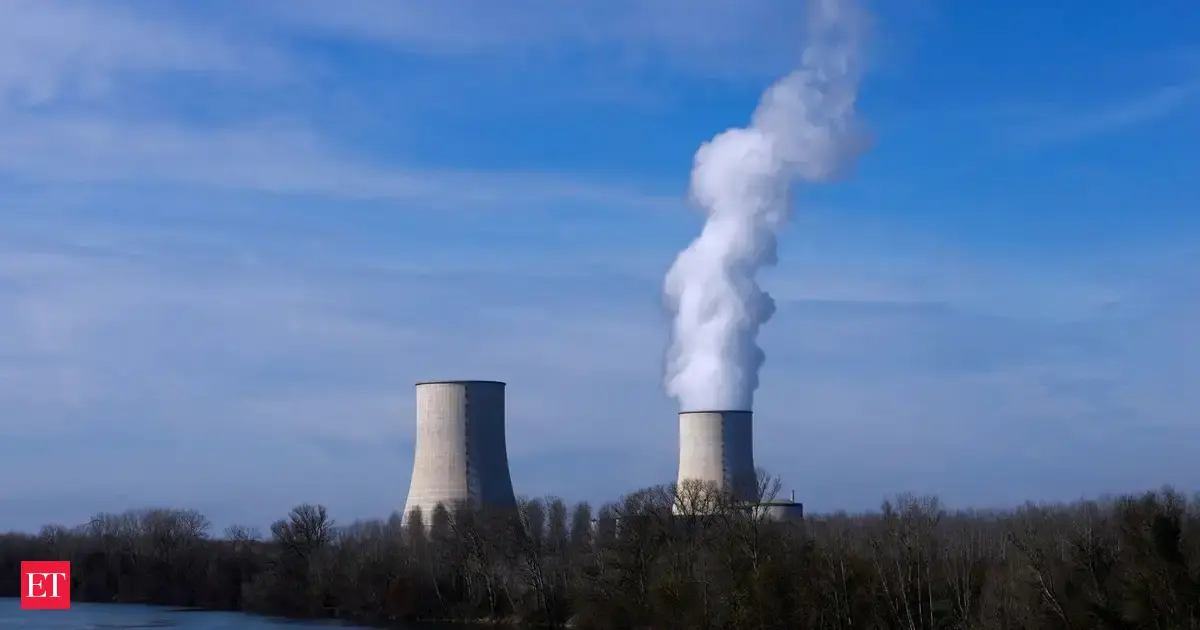
Prime Minister Narendra Modi inaugurated the Mahi Banswara Rajasthan Atomic Power Project, a 2,800 MW nuclear plant developed by NPCIL-NTPC, with an investment of Rs 42,000 crore. This project, along with other energy initiatives exceeding Rs 51,000 crore, aims to supply reliable power, create employment, and boost economic growth in Rajasthan. The 2,800 MW Mahi Banswara Rajasthan Atomic Power Project, developed by a NPCIL-NTPC joint venture at an investment of around Rs 42,000 crore in Rajastha ...Read More >
New Delhi, Oct 17 (PTI) India's most complex atomic power plant -- the Prototype Fast Breeder Reactor -- moved a step forward as engineers started loading fuel into the unit, which will be the only second of its kind in the world. The Atomic Energy Regulatory Board (AERB) granted permission for loading fuel into the 500 MWe Prototype Fast Breeder Reactor being developed by the Bhartiya Nabhikiya Vidyut Nigam (BHAVINI) at Kalpakkam in Tamil Nadu. "We faced technical problems in loading the fuel in March last year. We have solved those problems, and got the regulatory clearance to load fuel on ...Read More >
Lucknow, Apr 7 (PTI) Uttar Pradesh Chief Minister Yogi Adityanath on Tuesday said the Prototype Fast Breeder Reactor at Tamil Nadu's Kalpakkam stands as a symbol of India's technological excellence and national ambition. He said the achievement reinforces India's rise as a global energy leader. In an X post, Adityanath said, "India enters a new era of nuclear strength. The Prototype Fast Breeder Reactor at Kalpakkam stands as a symbol of our technological excellence and national ambition. By harnessing our vast thorium reserves, Bharat is taking a decisive step towards energy supremacy and l ...Read More >

A Russian strike on a nine-story building in the city of Sumy in northern Ukraine killed eight people and wounded dozens, an official said Sunday (November 17, 2024), as Russia launched a massive drone and missile attack described by officials as the largest in recent months. "Among the eight killed in Sumy, 40 kilometers (24 miles) from the border with Russia, were two children," said Ukraine's Minister of Internal Affairs Ihor Klymenko. More than 400 people were evacuated from the building. Ukraine's Zelenskyy urges allies to take steps before North Korean troops reach the front The rescu ...Read More >
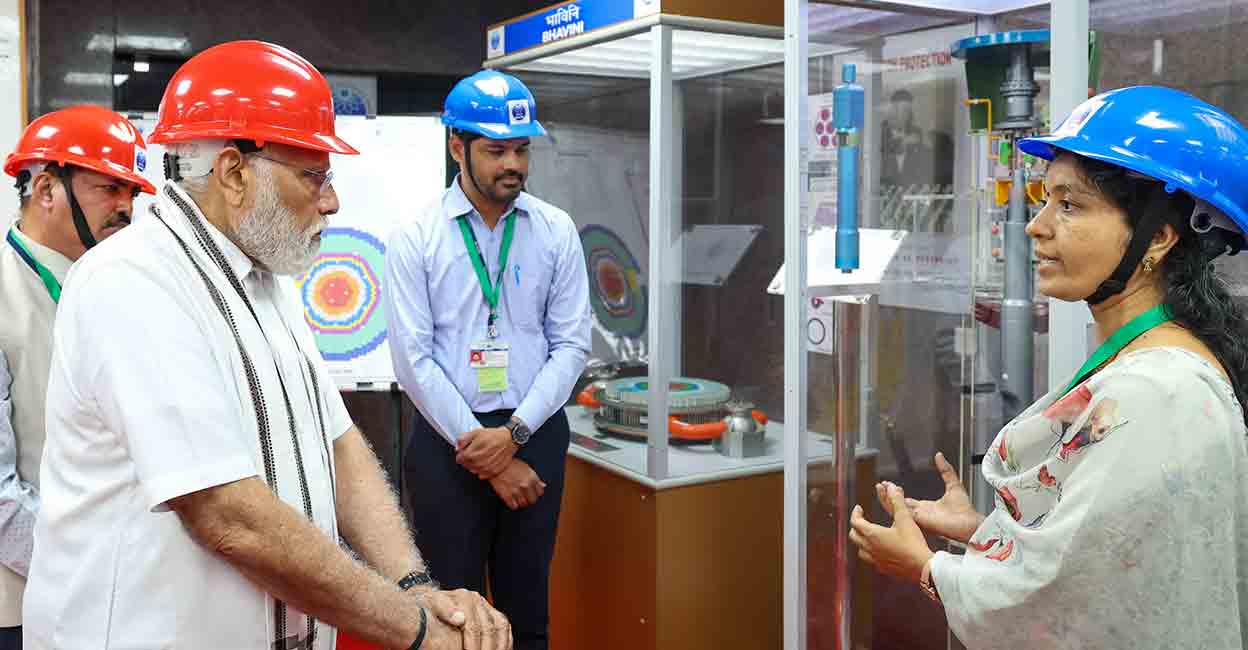

New Delhi: Prime Minister Narendra Modi on Monday announced that the Prototype Fast Breeder Reactor (PFBR) at Kalpakkam in Tamil Nadu has attained criticality, marking a major milestone in India's "civil nuclear journey". The Prime Minister described the development as a "defining step" that advances the second stage of India's three-stage nuclear programme. "India takes a defining step in its civil nuclear journey, advancing the second stage of its nuclear programme," he said in a post on X. The PFBR, which has been indigenously designed and built, is capable of producing more fuel than it ...Read More >
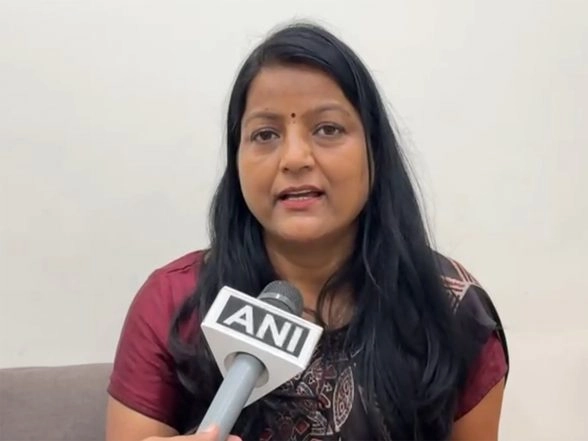

Surat (Gujarat) [India], April 7 (ANI): India possesses vast nuclear energy resources, particularly thorium reserves, that can generate around 5,000 units of electricity per person per year for nearly 500 years, but greater public awareness is needed to address safety concerns and accelerate adoption. Speaking to ANI on India's advancing nuclear programme, Senior Scientist, Department of Atomic Energy, Neelam Goyal said that electricity remains the backbone of India's economy, supporting agriculture, industry and services. Also Read | 'Completely False': Sundar C and Wife Khushbu Slam Fake M ...Read More >

Over the course of the day, PM Modi logged nearly 4.5 hours of air travel, including 2 hours of chopper rides, to connect with people and projects across multiple states Prime Minister Narendra Modi's day on September 25th was marked by a hectic schedule and diverse engagements, reflecting both his pace of work and his outreach across multiple sectors, despite being on a 9-day fast during Navratri. Over the course of the day, PM Modi logged nearly 4.5 hours of air travel, including 2 hours of c ...Read More >
New Delhi, Apr 2 (PTI) NTPC on Thursday said it generated 432.2 billion units of electricity and achieved highest every capacity addition of 9,619 MW in fiscal year 2025-26. NTPC added 5,488 MW of renewable capacity in FY26 across solar, wind, and Pumped Storage Projects (PSP), a company statement said. In FY26, NTPC achieved coal production of 48.65 million tonne, registering a steady 6.22 per cent year-on-year (YoY) growth. The company also recorded a strong growth in power trading, with 46.52 billion units traded in FY26, marking 13 per cent year-on-year growth. NTPC achieved 105 per cent ...Read More >
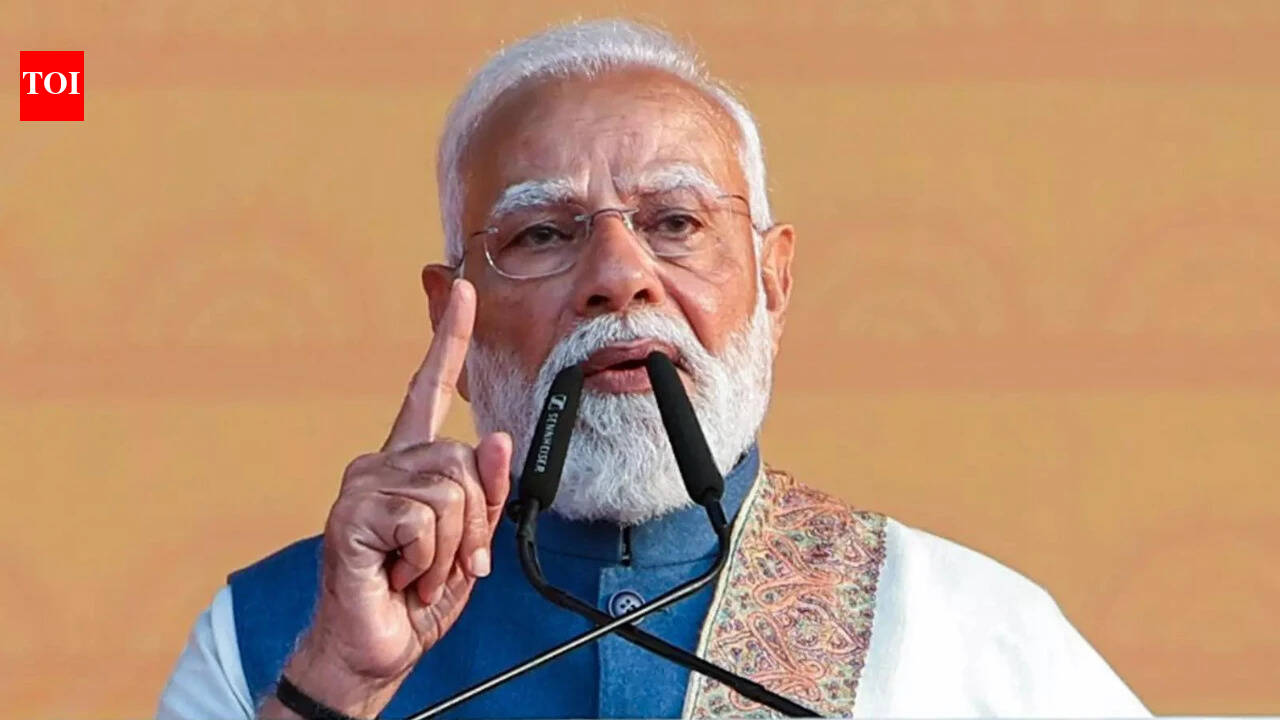
NEW DELHI: Prime Minister Narendra Modi on Monday said India had taken a "defining step" in its civil nuclear journey after the Prototype Fast Breeder Reactor (PFBR) at Kalpakkam attained criticality, marking a major milestone in the country's nuclear energy programme.In a post on X, PM Modi said the indigenously designed and built reactor represented progress in the second stage of India's three-stage nuclear programme and underlined the country's long-term goal of tapping its large thorium reserves."Today, India takes a defining step in its civil nuclear journey, advancing the second stage o ...Read More >
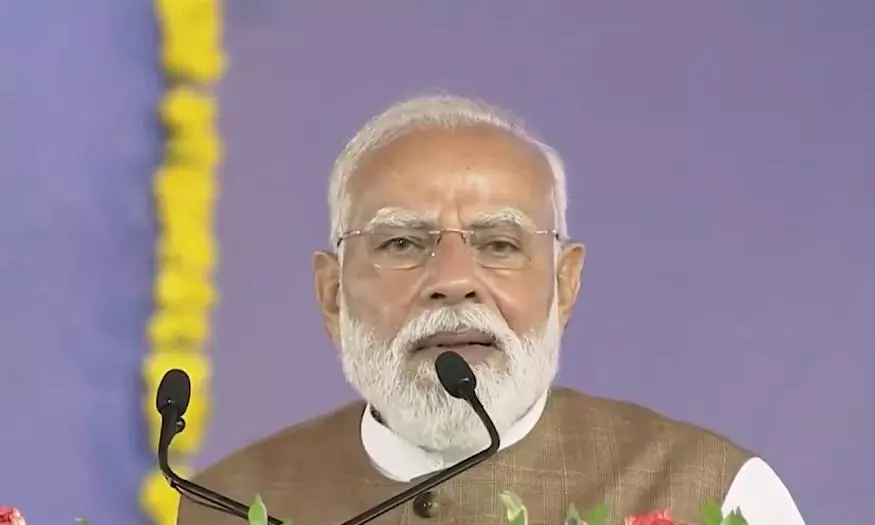

Hyderabad: Prime Minister Narendra Modi on Monday announced that indigenously designed and built 500 megawatt Prototype Fast Breeder Reactor (PFBR) at Kalpakkam has attained criticality -- which means that it is producing more nuclear fuel than it is consume. This makes India only the second country to run breeder reactors after Russia. Criticality means the start of controlled fission chain reaction: In the PFBR, it means producing more nuclear fuel and electric power. The PFBR runs on a mix of Plutonium-239 (the 'fire) and Uranium-238 ('the breeding ground'). This mix fires atomic particle ...Read More >


New Delhi, April 8 (SocialNews.XYZ) The International Energy Agency (IEA) on Wednesday praised India and Prime Minister Narendra Modi on the successful achievement of the first criticality of the 500 MWe Prototype Fast Breeder Reactor (PFBR), calling it an important technological milestone. In a post on X, the global energy body lauded Indian scientists and engineers for the achievement, which comes after years of development. The IEA said the reactor will use significantly less nuclear fuel compared to conventional reactors and would help pave the way for a "pathway towards a closed fuel cy ...Read More >
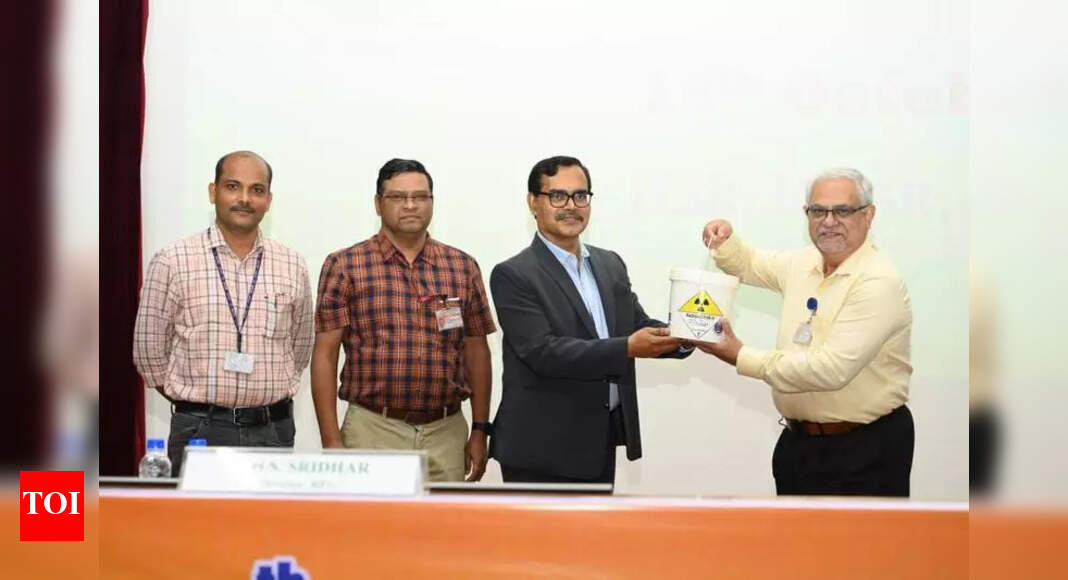
Chennai: India's fast breeder reactor programme achieved twin milestones this week. The Fast Breeder Test Reactor (FBTR) at the Indira Gandhi Centre for Atomic Research (IGCAR), Kalpakkam, marked 40 years of attaining first criticality. Meanwhile, engineers began loading fuel into the Prototype Fast Breeder Reactor (PFBR), the country's most advanced and complex atomic power plant.Officials said the Atomic Energy Regulatory Board (AERB) recently granted permission for fuel loading into the 500 MWe PFBR being developed by Bharatiya Nabhikiya Vidyut Nigam (BHAVINI) at Kalpakkam. The reactor is e ...Read More >
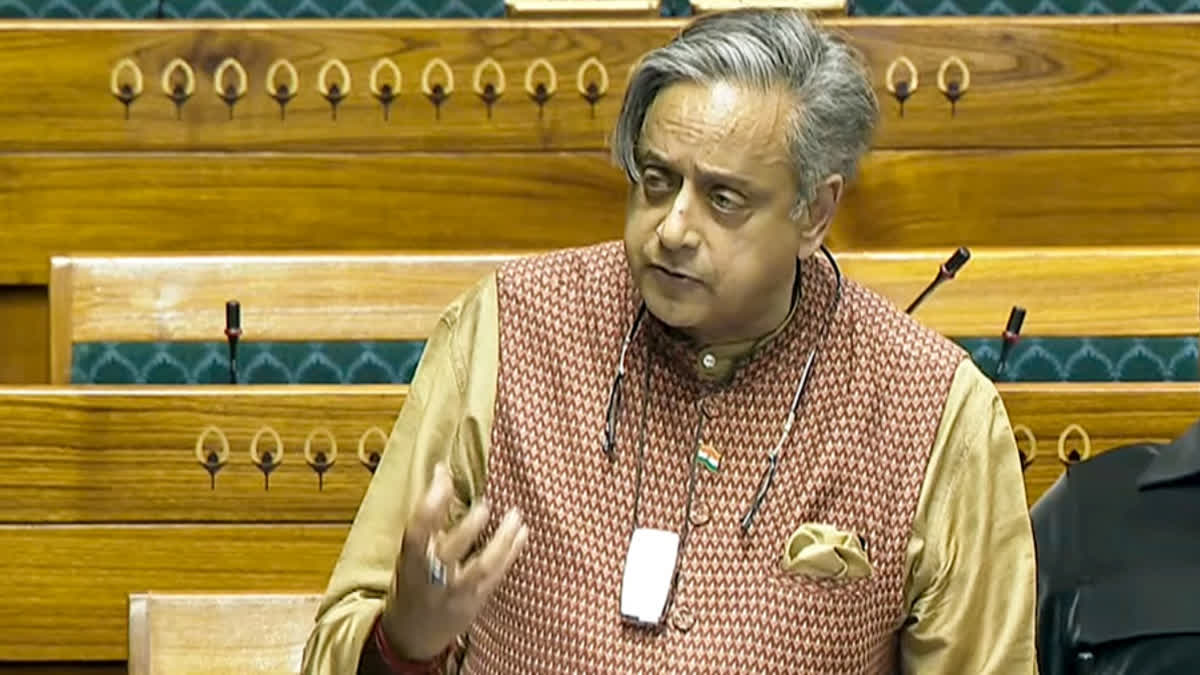

New Delhi: Congress MP Shashi Tharoor on Wednesday described the government's nuclear energy bill as a "dangerous leap into privatised nuclear expansion" without adequate safeguards and asserted that the pursuit of capital cannot be allowed to override the requirements of public safety, environmental protection and victim justice. Participating in a debate on the Sustainable Harnessing and Advancement of Nuclear Energy for Transforming India (SHANTI) Bill in the Lok Sabha, Tharoor claimed that the proposed legislation is ridden with exceptions, heavy on discretion and largely indifferent to p ...Read More >

New Delhi [India], April 8 (ANI): NTPC Limited has entered into a non-binding Memorandum of Understanding (MoU) with Électricite de France (EDF) to jointly explore opportunities for developing nuclear power projects in India. This follows approval from the concerned ministries & departments of the Government of India. The MoU was signed by Arnada Prasad Samal, CGM (Nuclear Cell), on behalf of NTPC, and Vakisasi Ramany, Senior Vice President, International Nuclear Development, on behalf of EDF. According to a statement released by NTPC, "The MoU establishes a framework for both companies to ...Read More >
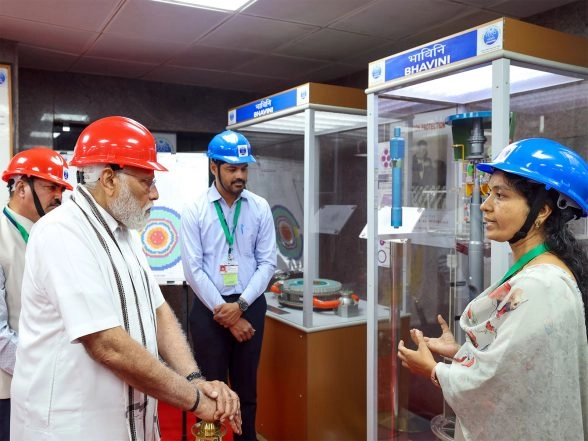
New Delhi [India], April 6 (ANI): Prime Minister Narendra Modi on Monday lauded India's first indigenous Prototype Fast Breeder Reactor at Kalpakkam for attaining criticality, calling it a "defining step in India's civil nuclear journey". In a post on X, the PM reflected on the strengths of the reactor and recognised this as a "decisive step towards harnessing our vast thorium reserves." Expressing pride over the achievement, the PM congratulated the scientists and engineers involved in the programme. Also Read | Breach of Discipline During PM Modi Rally: Kerala Police Begins Probe Into Offi ...Read More >
New Delhi, Apr 6 (PTI) Union Home Minister Amit Shah on Monday congratulated scientists for building the Prototype Fast Breeder Reactor at Kalpakkam as it attained criticality, a development he described as a "new epoch" in India's civil nuclear programme. India's 500 Mwe-Prototype Fast Breeder Reactor (PFBR) in Tamil Nadu's Kalpakkam achieved first criticality, Prime Minister Narendra Modi announced on Monday. First criticality in a fast breeder reactor is the moment when the nuclear chain reaction becomes self-sustaining. In a post on X, Shah said, "New epoch in our civil nuclear program. ...Read More >
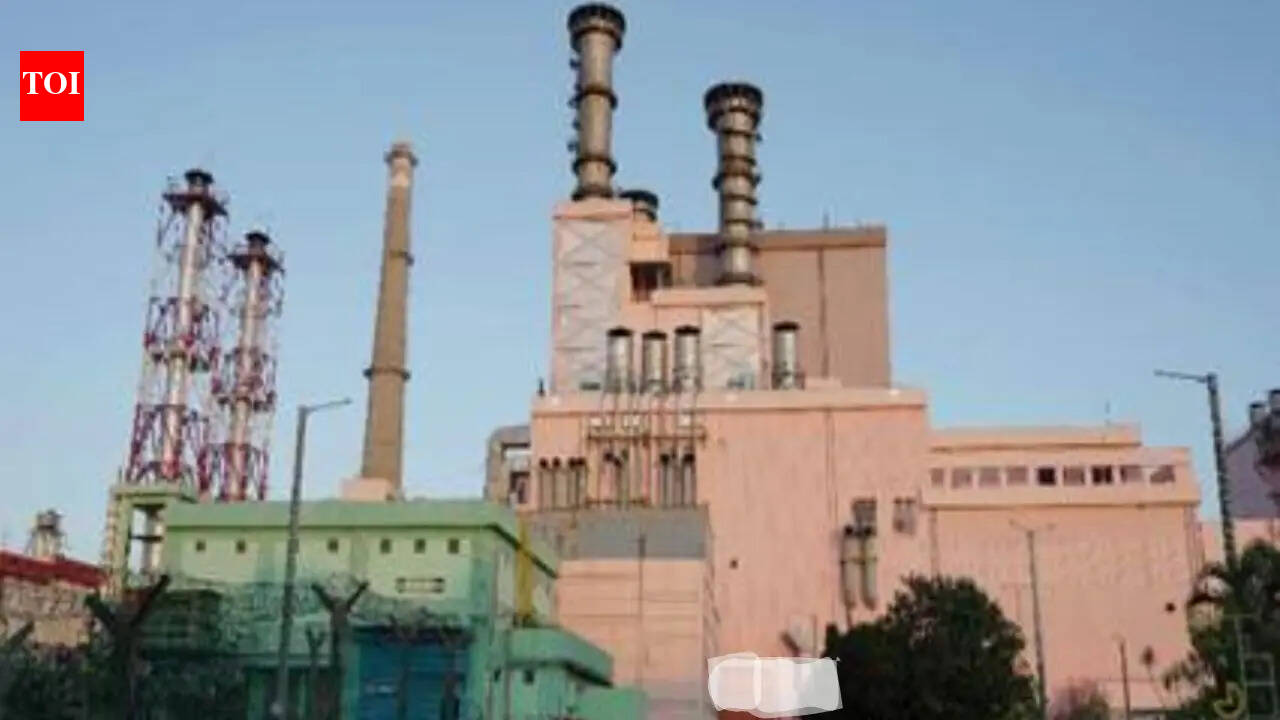
NEW DELHI: India has taken a major step towards nuclear fuel self-reliance after its indigenously developed Prototype Fast Breeder Reactor (PFBR) at Kalpakkam attained criticality, marking the start of a controlled nuclear reaction and advancing the country's long-term atomic energy programme.The milestone, confirmed on Monday, marks a crucial stage before full power generation begins. Once operational, the reactor is expected to play a key role in India's plan to scale nuclear power capacity to 100 gigawatts by 2047, from the current level of around eight gigawatts.Prime Minister Narendra Mod ...Read More >
New Delhi, April 6 (SocialNews.XYZ) Prime Minister Narendra Modi on Monday hailed the country's scientists for indigenously designing and building the Prototype Fast Breeder Reactor at Kalpakkam in Tamil Nadu. The Prime Minister said that India has taken a defining step in its civil nuclear journey, advancing the second stage of its nuclear programme. "The indigenously designed and built Prototype Fast Breeder Reactor at Kalpakkam has attained criticality," he said. The Prime Minister added that this advanced reactor, capable of producing more fuel than it consumes, reflects the depth of th ...Read More >

CHENNAI: India on Monday achieved a major milestone in its civil nuclear programme, with the Prototype Fast Breeder Reactor (PFBR) at Kalpakkam attaining criticality, the stage at which a controlled, self-sustaining nuclear chain reaction begins. Prime Minister Narendra Modi described it as a "defining step" in advancing the second stage of India's nuclear programme. "The indigenously designed and built Prototype Fast Breeder Reactor at Kalpakkam has attained criticality... a decisive step towards harnessing our vast thorium reserves," he said in a post on X, congratulating scientists and eng ...Read More >
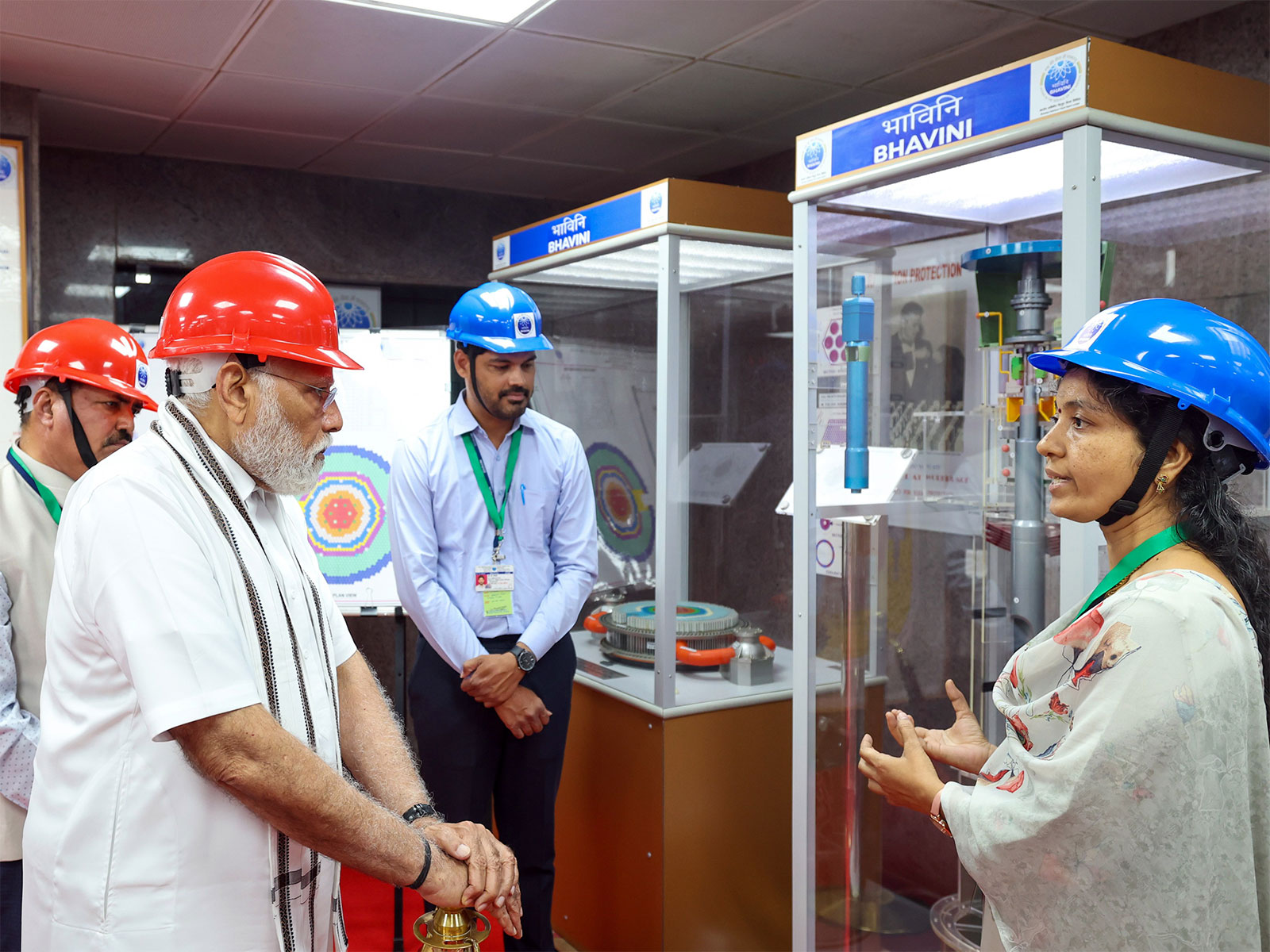
New Delhi [India], April 6 (ANI): Prime Minister Narendra Modi on Monday lauded India's first indigenous Prototype Fast Breeder Reactor at Kalpakkam for attaining criticality, calling it a "defining step in India's civil nuclear journey". In a post on X, the PM reflected on the strengths of the reactor and recognised this as a "decisive step towards harnessing our vast thorium reserves." Expressing pride over the achievement, the PM congratulated the scientists and engineers involved in the programme. "Today, India takes a defining step in its civil nuclear journey, advancing the second stag ...Read More >
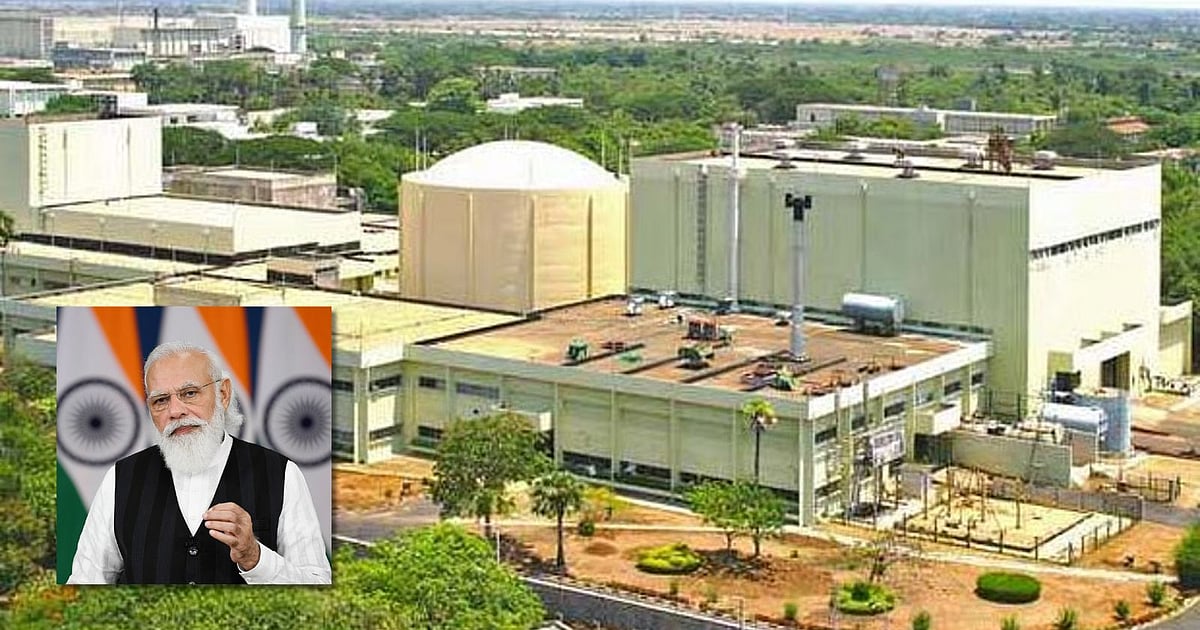

NEW DELHI: With the indigenously built Prototype Fast Breeder Reactor at Kalpakkam attaining criticality, the Congress on Tuesday said this is the result of over three decades of effort and it would have only been proper for Prime Minister Narendra Modi to have acknowledged the continuity in this stupendous achievement. Congress general secretary in-charge communications Jairam Ramesh said the reactor was the result of over three decades of dedicated, dogged, disciplined, and determined effort on the part of the country's nuclear energy establishment, the foundations of which were laid by the ...Read More >

New Delhi, June 28 (SocialNews.XYZ) Prime Minister Narendra Modi on Saturday paid tributes to former Prime Minister late P.V. Narasimha Rao on his birth anniversary, recalling his pivotal role in shaping India's development trajectory during a crucial phase of economic and political transformation. In a post on X, PM Modi wrote: "Remembering Shri P.V. Narasimha Rao Garu on his birth anniversary. India is grateful to him for his effective leadership during a crucial phase of our development trajectory. His intellect, wisdom, and scholarly nature are also widely admired." Leaders from across t ...Read More >

New Delhi, April 2 (SocialNews.XYZ) India holds rare earth oxide resources of approximately 8.52 million tonnes, but remains dependent on imports for rare earth magnets and related products due to low-grade domestic deposits, regulatory constraints and a limited processing industry, the Parliament was informed on Thursday. In a written reply in Rajya Sabha, Union Minister of State for Science and Technology, Dr Jitendra Singh, said the Atomic Minerals Directorate for Exploration and Research has identified 7.23 million tonnes of total rare earth oxide equivalent contained in monazite deposits ...Read More >

Chennai, Apr 7 (UNI) The Department of Atomic Energy (DAE) announced that in a landmark achievement for India's nuclear energy programme, the 500 MWe Prototype Fast Breeder Reactor (PFBR) has successfully attained first criticality (start of controlled fission chain reaction) at IGCAR campus in Kalpakkam, about 70 km from here. The indigenously built PFBR attained criticality yesterday night (April 6, 2026) at 2026 hrs marking a historic step in providing long term energy security and advancing indigenous nuclear technology capabilities. The DAE in a release here on Tuesday said the critical ...Read More >