
Decoding the Universe, One Discovery at a Time: Your Daily Dose of Indian Science From ISRO's groundbreaking missions propelling India to new heights in space exploration, to indigenous innovations tackling pressing climate challenges, abtak.com brings you the latest in science and technology shaping our nation and the world. Are Indian scientists unlocking the secrets of personalized medicine? How are advancements in AI impacting our daily lives, from agriculture to healthcare? Dive into cutting-edge research, breakthroughs in biotechnology, and the minds revolutionizing our understanding of the planet and beyond. Stay informed about the implications of scientific advancements, ethical considerations, and the future of technology right here in India. Explore the mysteries of the cosmos, delve into the intricacies of the human body, and witness the transformative power of scientific inquiry. Join us as we unravel the complexities of science and its impact on our future. What breakthroughs await us tomorrow?
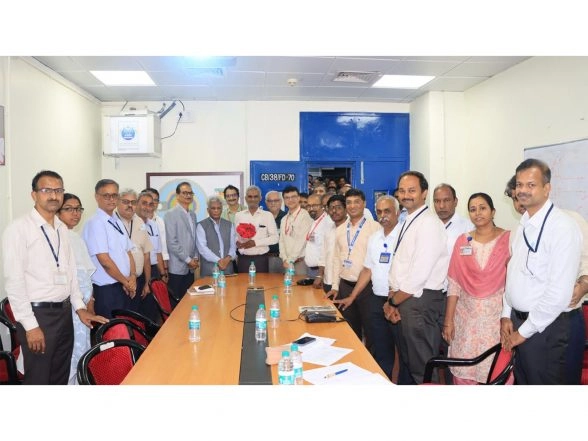

New Delhi [India], April 7 (ANI): In a landmark achievement for India's nuclear energy programme, the 500 MWe Prototype Fast Breeder Reactor (PFBR) has successfully attained first criticality (start of controlled fission chain reaction) on 6th April 2026 at 08:25 PM marking a historic step in providing long-term energy security and advancing indigenous nuclear technology capabilities, according to the Department of Atomic Energy. The criticality was achieved in the presence of Dr Ajit Kumar Mohanty, Secretary, DAE & Chairman, AEC, Sreekumar G Pillai, Director, IGCAR, Allu Ananth, CMD-In-Charge, BHAVINI and KV Suresh Kumar, Former CMD, BHAVINI & Homi Sethna Chair after meeting all the stipulations of the Atomic Energy Regulatory Board (AERB), which had issued clearance after a rigorous review of safety of the plant systems. Also Read | Kerala Lottery Result Today 3 PM Live, Sthree Sakthi SS-514 Lottery Result of 07.04.2026, Watch Lucky Draw Winner List. The technology development & design of PFBR was indigenously done by Indira Gandhi Centre for Atomic Research (IGCAR), an R&D Centre of the Department of Atomic Energy, and was built & commissioned by Bharatiya Nabhikiya Vidyut Nigam Ltd (BHAVINI), a PSU under the Department of Atomic Energy. Fast Breeder Reactors are a cornerstone of India's long-term nuclear strategy. Unlike conventional thermal reactors, the PFBR uses Uranium-Plutonium Mixed Oxide (MOX) fuel. Also Read | Mumbai Metro Expansion: Line 9 and 2B Open, Boosting Dahisar-Kashigaon and Chembur-Mandale Connectivity; Know Full Station List. The core of PFBR is surrounded by a blanket of Uranium-238. Fast neutrons convert fertile Uranium-238 into fissile Plutonium-239, enabling the reactor to produce more fuel than it consumes. The reactor is designed to eventually use Thorium-232 in the blanket. Through transmutation, Thorium-232 will be converted into Uranium-233, which will fuel the third stage of India's nuclear power programme. This unique capability significantly enhances the utilization of nuclear fuel resources and enables the country to extract far greater energy from its limited uranium reserves while also preparing for large-scale use of thorium in the future. With the achievement of first criticality, India moves closer to realizing the full potential of its three-stage nuclear power programme. Fast breeder technology forms the vital bridge between the current fleet of pressurized heavy water reactors and the future deployment of thorium-based reactors, leveraging the country's abundant thorium resources for long-term clean energy generation. Achieving this milestone demonstrates the strength of India's indigenous design, engineering and manufacturing ecosystem. The reactor incorporates advanced safety systems, high-temperature liquid sodium coolant technology and a closed fuel cycle approach that enables recycling of nuclear materials, thereby improving sustainability and reducing waste. The project also reflects the dedication of significant number of scientists, engineers, technicians and industry partners who have contributed to the design, fabrication and construction of the reactor using predominantly indigenous technologies and components. Their efforts highlight the nation's growing capability in advanced nuclear engineering and reinforce India's commitment to technological self-reliance complying with Atmanirbhar Bharat. Beyond energy generation, the fast breeder programme strengthens strategic capabilities in nuclear fuel cycle technologies, advanced materials, reactor physics and large-scale engineering. The knowledge and infrastructure developed through this programme will support future reactor designs and next-generation nuclear technologies. As India continues to expand its clean energy portfolio, fast breeder reactors will play a crucial role in delivering reliable, low-carbon, base-load power with higher thermal efficiency. The attainment of first criticality represents not only a technological milestone but also a major step towards a sustainable and self-reliant energy future for Viksit Bharat. (ANI)


New Delhi, Aug 26 (SocialNews.XYZ) Amid global geopolitical and supply chain volatility, Xiabing Feng, Principal Commercial Officer, US Embassy in India on Tuesday said that the US is committed to collaborate with India in terms of exporting high-quality products and services for India to achieve energy security and economic growth. Addressing the "3rd Energy Summit of the Indo-American Chamber of Commerce", the top official of the US Embassy in the national capital also noted that collaboration between both the countries can drive transformative change in the global energy space. "As we loo ...Read More >
Chennai: India's fast breeder reactor programme achieved twin milestones this week. The Fast Breeder Test Reactor (FBTR) at the Indira Gandhi Centre for Atomic Research (IGCAR), Kalpakkam, marked 40 years of attaining first criticality. Meanwhile, engineers began loading fuel into the Prototype Fast Breeder Reactor (PFBR), the country's most advanced and complex atomic power plant.Officials said the Atomic Energy Regulatory Board (AERB) recently granted permission for fuel loading into the 500 MW ...Read More >
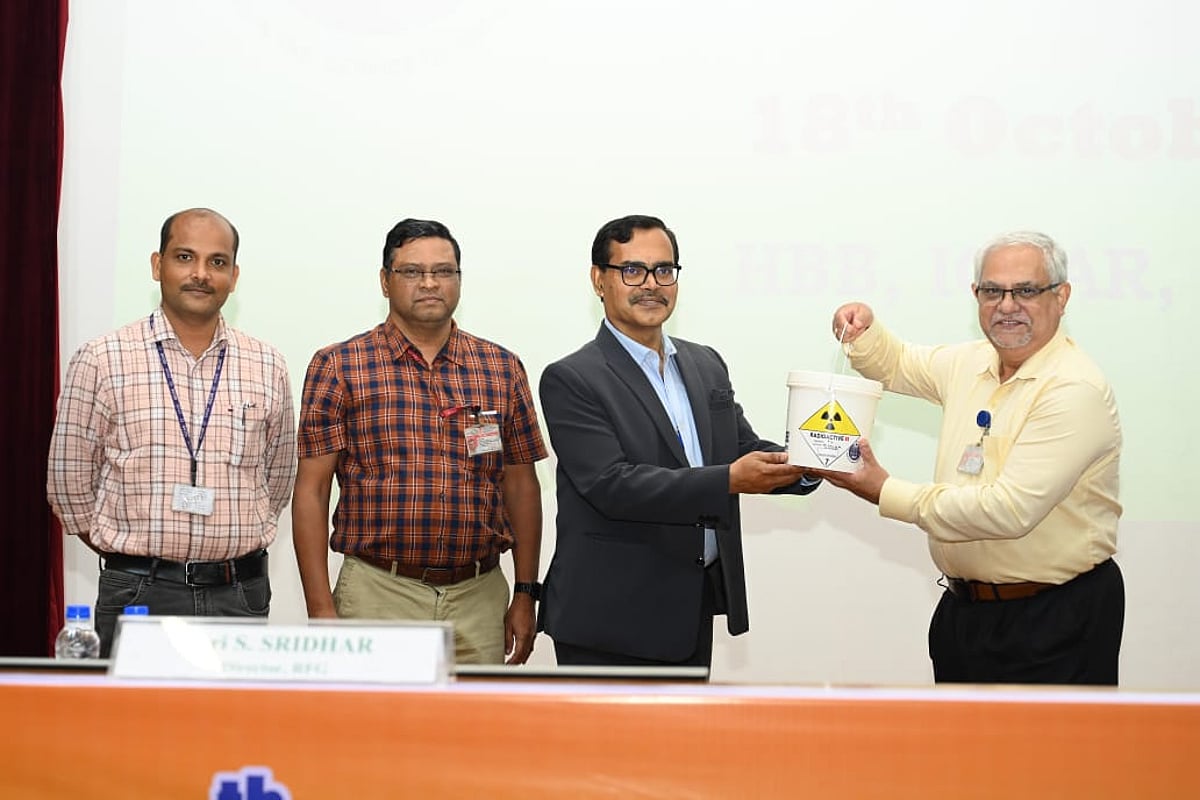

CHENNAI: The Indira Gandhi Centre for Atomic Research (IGCAR) in Kalpakkam has marked 40 years since the Fast Breeder Test Reactor (FBTR) first went critical on 18 October 1985, celebrating the milestone of India's pioneering indigenous fast breeder programme. The 40 MWt/13.6 MWe sodium-cooled reactor has remained central to India's nuclear advancement, conceived as a test bed for advanced fuels and structural materials. Over four decades, it has generated vital operational data that has informed the design and development of the Prototype Fast Breeder Reactor (PFBR) and future reactor system ...Read More >
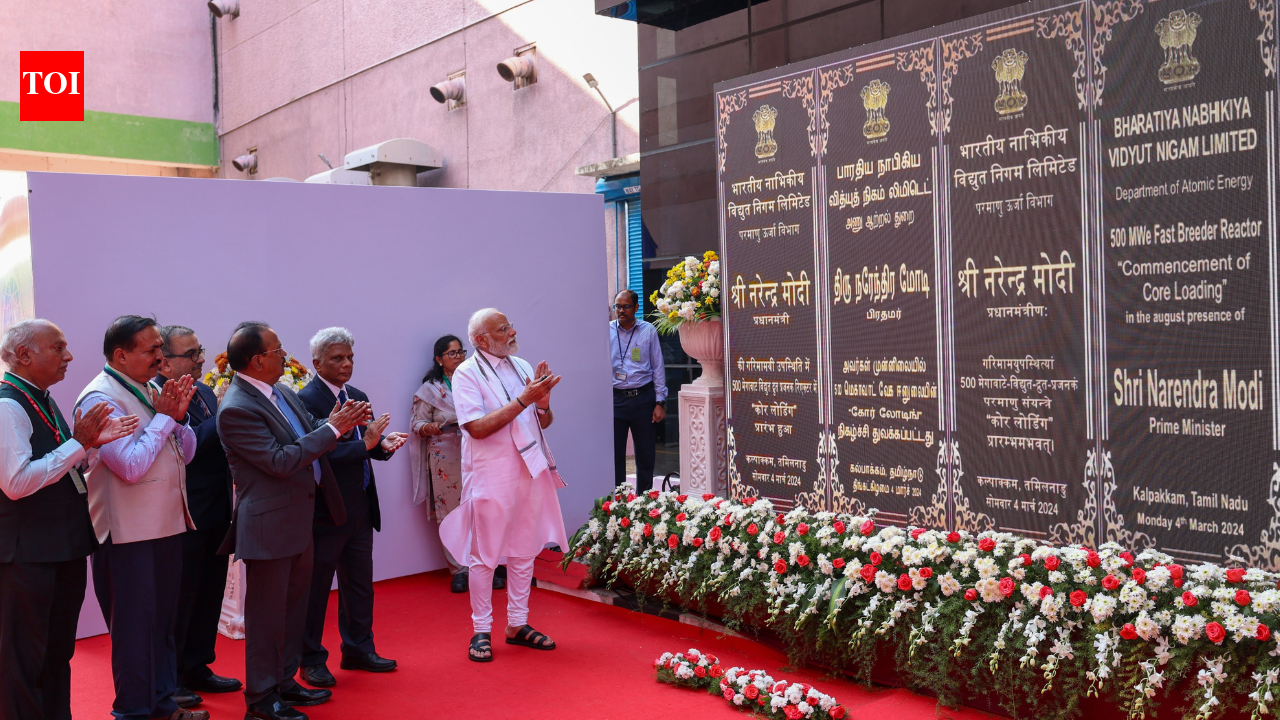

NEW DELHI: In a big boost for India's civil nuclear energy production, the indigenously designed and built Prototype Fast Breeder Reactor (PFBR) at Kalpakkam in Tamil Nadu has attained criticality.Congratulating Indian scientists and engineers on the reactor attaining criticality, PM Narendra Modi posted on X, "Today, India takes a defining step in its civil nuclear journey, advancing the second stage of its nuclear programme."This advanced reactor, capable of producing more fuel than it consumes, reflects the depth of our scientific capability and the strength of our engineering enterprise. I ...Read More >
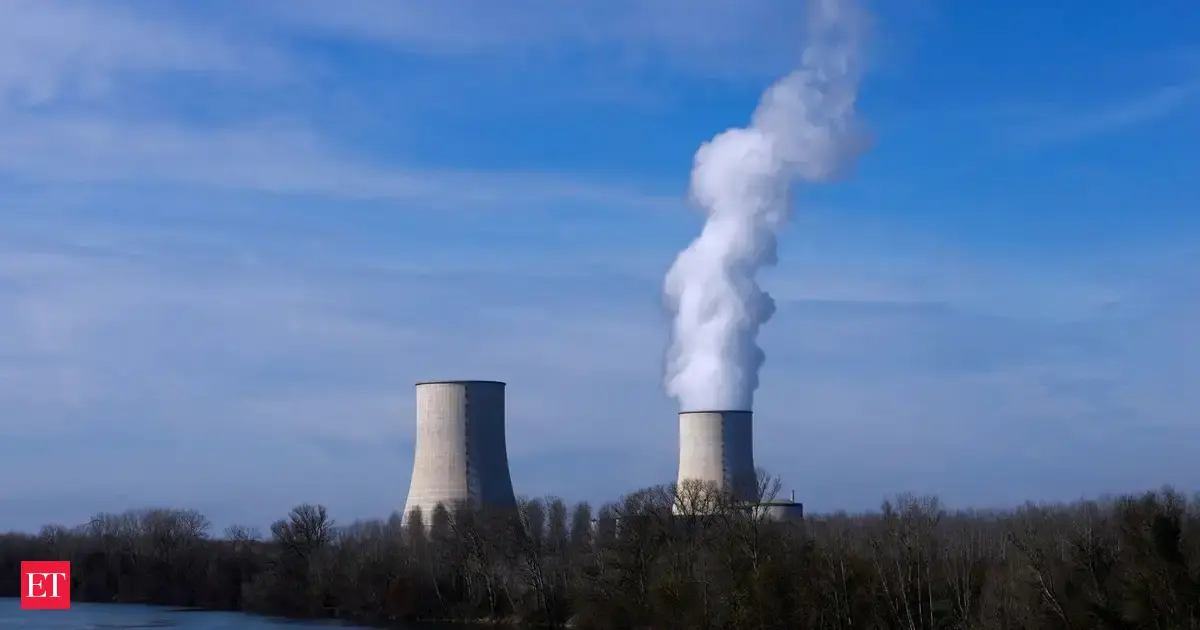
Prime Minister Narendra Modi inaugurated the Mahi Banswara Rajasthan Atomic Power Project, a 2,800 MW nuclear plant developed by NPCIL-NTPC, with an investment of Rs 42,000 crore. This project, along with other energy initiatives exceeding Rs 51,000 crore, aims to supply reliable power, create employment, and boost economic growth in Rajasthan. The 2,800 MW Mahi Banswara Rajasthan Atomic Power Project, developed by a NPCIL-NTPC joint venture at an investment of around Rs 42,000 crore in Rajastha ...Read More >


New Delhi, Oct 17 (PTI) India's most complex atomic power plant -- the Prototype Fast Breeder Reactor -- moved a step forward as engineers started loading fuel into the unit, which will be the only second of its kind in the world. The Atomic Energy Regulatory Board (AERB) granted permission for loading fuel into the 500 MWe Prototype Fast Breeder Reactor being developed by the Bhartiya Nabhikiya Vidyut Nigam (BHAVINI) at Kalpakkam in Tamil Nadu. "We faced technical problems in loading the fuel in March last year. We have solved those problems, and got the regulatory clearance to load fuel on ...Read More >


New Delhi: The government on Monday failed to introduce a Bill that sought to repeal the Mahatma Gandhi National Rural Employment Guarantee Act (MGNREGA) and replace it with a proposed law -- The Viksit Bharat Guarantee for Rozgar and Ajeevika Mission (Gramin) (VB G RAM G) Bill, 2025 -- after facing stiff opposition. The VB G RAM G Bill was listed in the Lok Sabha in the supplementary list of business issued on Monday. It was to be introduced by rural development minister Shivraj Singh Chouhan. "Why is Mahatma Gandhi's name being removed? Mahatma Gandhi is considered the tallest leader not j ...Read More >
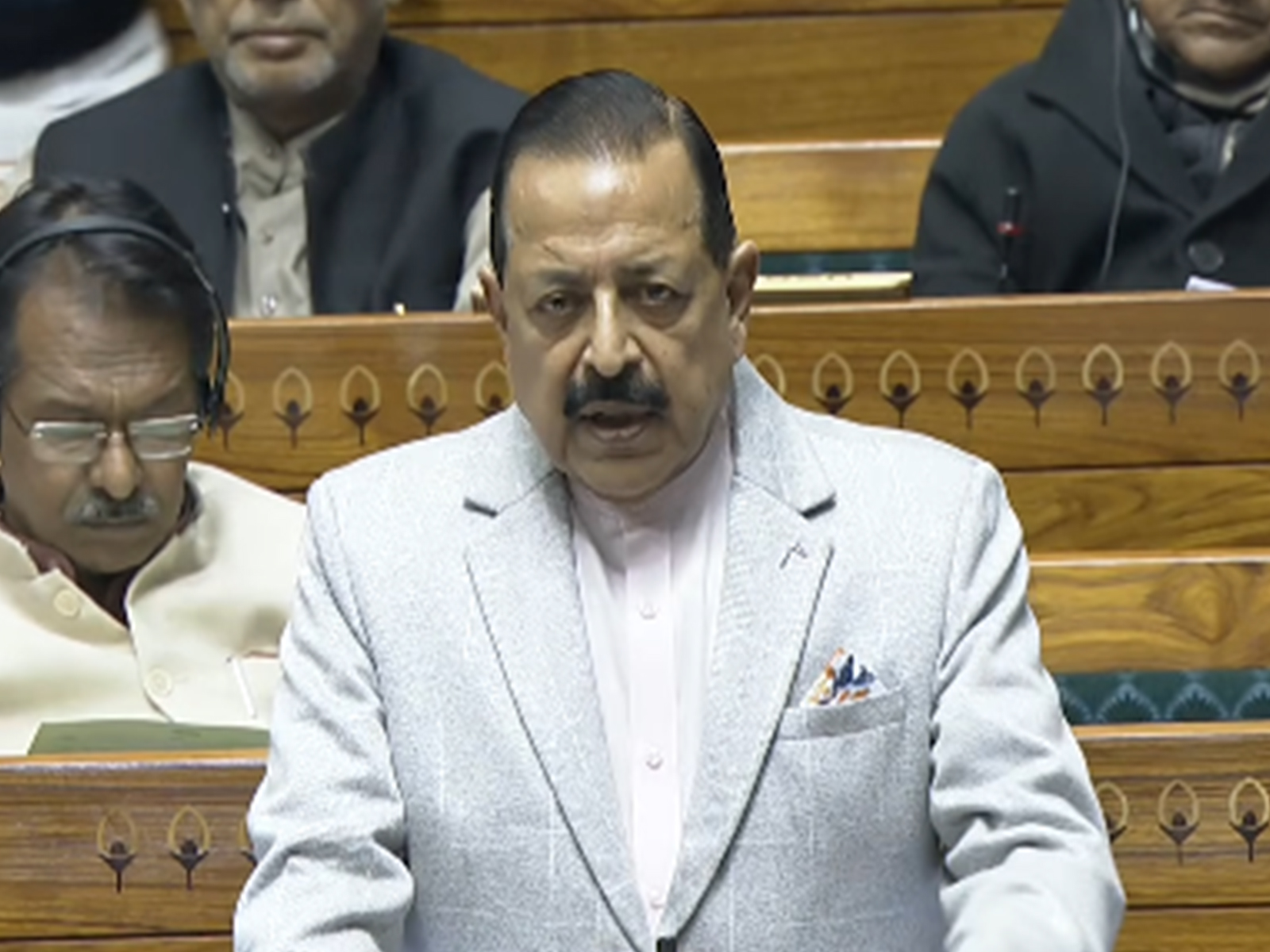

New Delhi [India], December 17 (ANI): Minister of State (Independent Charge) for Science and Technology and Atomic Energy Jitendra Singh on Wednesday addressed questions raised by Opposition MPs regarding the recently tabled 'The Sustainable Harnessing and Advancement of Nuclear Energy for Transforming India Bill, 2025'. Taking part in the debate in Lok Sabha on Wednesday, Singh said that certain Opposition MPs were pushing "contradictory" facts and statements. He said that a lot of provisions mentioned in the new bill were already there in the previous legislation. "There were certain obje ...Read More >

NEW DELHI, March 2 (Xinhua) -- India and Canada on Monday signed a long-term deal worth 1.9 billion U.S. dollars for uranium supply aimed at expanding nuclear energy generation projects in India. The significant deal was inked in the presence of visiting Canadian Prime Minister Mark Carney and Indian Prime Minister Narendra Modi. Carney was in New Delhi on a four-day official visit. The uranium supply deal would contribute towards India's vision for its nuclear power program under the federal government's ambitious "Viksit Bharat" (Developed India) initiative, and also achieve 100 GW of nucl ...Read More >
Lucknow, Apr 7 (PTI) Uttar Pradesh Chief Minister Yogi Adityanath on Tuesday said the Prototype Fast Breeder Reactor at Tamil Nadu's Kalpakkam stands as a symbol of India's technological excellence and national ambition. He said the achievement reinforces India's rise as a global energy leader. In an X post, Adityanath said, "India enters a new era of nuclear strength. The Prototype Fast Breeder Reactor at Kalpakkam stands as a symbol of our technological excellence and national ambition. By harnessing our vast thorium reserves, Bharat is taking a decisive step towards energy supremacy and l ...Read More >
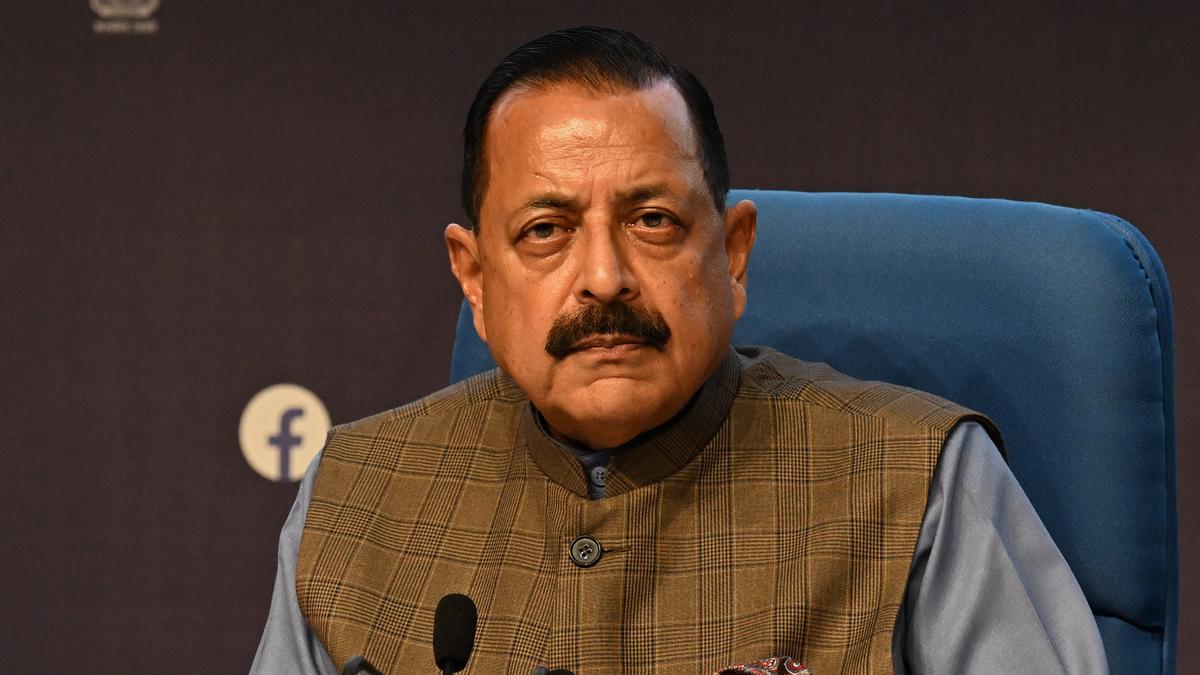

India will be able to address the apprehensions of the private sector globally about investments in the civil nuclear sector, which was opened up to achieve the ambitious target of producing 100 GW of atomic power by 2047, Union Minister Jitendra Singh has asserted. Mr. Singh, who oversees the Department of Atomic Energy, said changes in relevant rules and legislations will have to be made to facilitate the entry of the private sector in the field of nuclear energy, which currently is under tigh ...Read More >
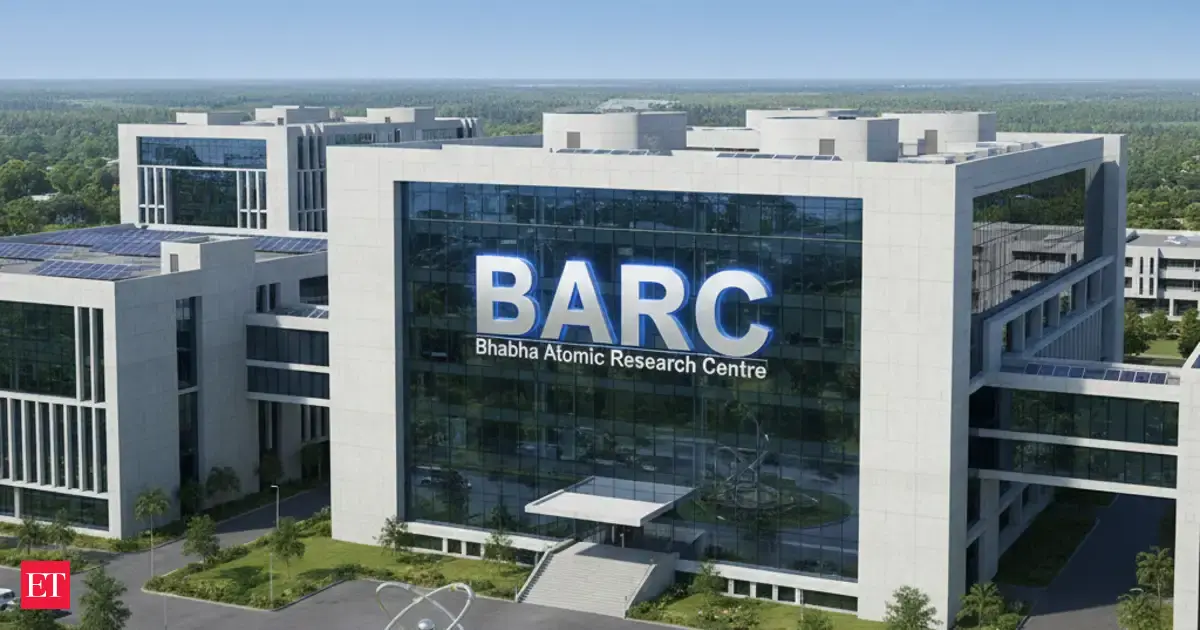
Bhabha Atomic Research Centre (BARC) is establishing a new 3,000-acre R&D campus in Anakapalli district, Andhra Pradesh. The center has requested diversion of 148.15 hectares of forest land adjacent to already acquired revenue land for this strategic project. The Expert Appraisal Committee has recommended 'in-principle' approval for the land diversion. Amaravati: BARC is planning to set up a new Research and Development campus spread over 3,000 acres in Anakapalli district here. The premier mul ...Read More >

New Delhi: Prime Minister Narendra Modi on Monday announced that the Prototype Fast Breeder Reactor (PFBR) at Kalpakkam in Tamil Nadu has attained criticality, marking a major milestone in India's "civil nuclear journey". The Prime Minister described the development as a "defining step" that advances the second stage of India's three-stage nuclear programme. "India takes a defining step in its civil nuclear journey, advancing the second stage of its nuclear programme," he said in a post on X. The PFBR, which has been indigenously designed and built, is capable of producing more fuel than it ...Read More >
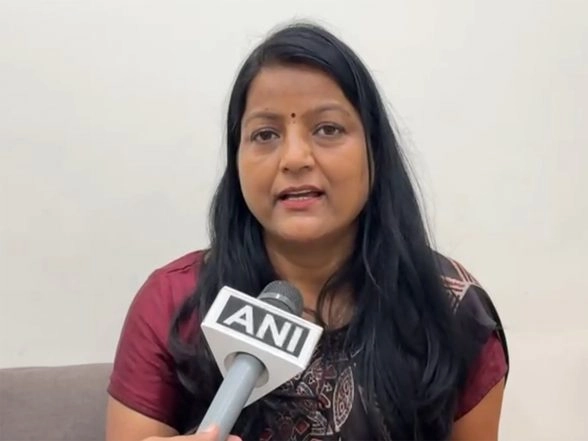
Surat (Gujarat) [India], April 7 (ANI): India possesses vast nuclear energy resources, particularly thorium reserves, that can generate around 5,000 units of electricity per person per year for nearly 500 years, but greater public awareness is needed to address safety concerns and accelerate adoption. Speaking to ANI on India's advancing nuclear programme, Senior Scientist, Department of Atomic Energy, Neelam Goyal said that electricity remains the backbone of India's economy, supporting agriculture, industry and services. Also Read | 'Completely False': Sundar C and Wife Khushbu Slam Fake M ...Read More >
NEW DELHI: Commerce and industry minister Piyush Goyal has indicated that India could buy more oil from the US amid repeated calls from American President Donald Trump for India and China to lower purchase of Russian crude."We are big importers of energy from across the world, including from the US. We expect to increase our trade with the US on energy products in the years to come... Our energy security goals will have a very high element of US involvement, which will ensure high stability, dive ...Read More >

New Delhi [India], December 5 (ANI): Russia has reaffirmed its long-standing energy partnership with India, with President Vladimir Putin declaring that Moscow will remain a steady, uninterrupted supplier for the country's fast-growing economy. While adressing the joint press address with Prime Minister Narendra Modi, he said the two countries are seeing "successful partnership in energy," adding that "Russia is a reliable supply of oil, gas, coal and everything that is required for the development of India's energy. We are ready to continue uninterrupted shipments of fuel for the fast-growin ...Read More >
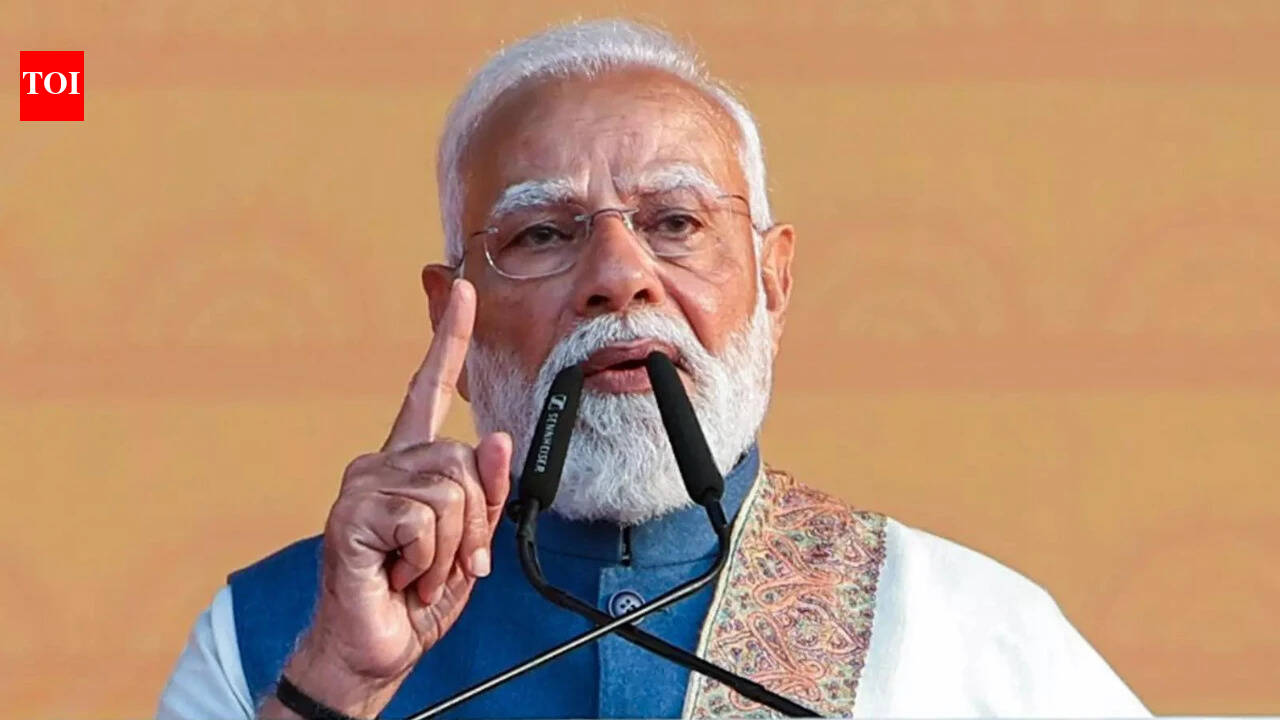
NEW DELHI: Prime Minister Narendra Modi on Monday said India had taken a "defining step" in its civil nuclear journey after the Prototype Fast Breeder Reactor (PFBR) at Kalpakkam attained criticality, marking a major milestone in the country's nuclear energy programme.In a post on X, PM Modi said the indigenously designed and built reactor represented progress in the second stage of India's three-stage nuclear programme and underlined the country's long-term goal of tapping its large thorium reserves."Today, India takes a defining step in its civil nuclear journey, advancing the second stage o ...Read More >
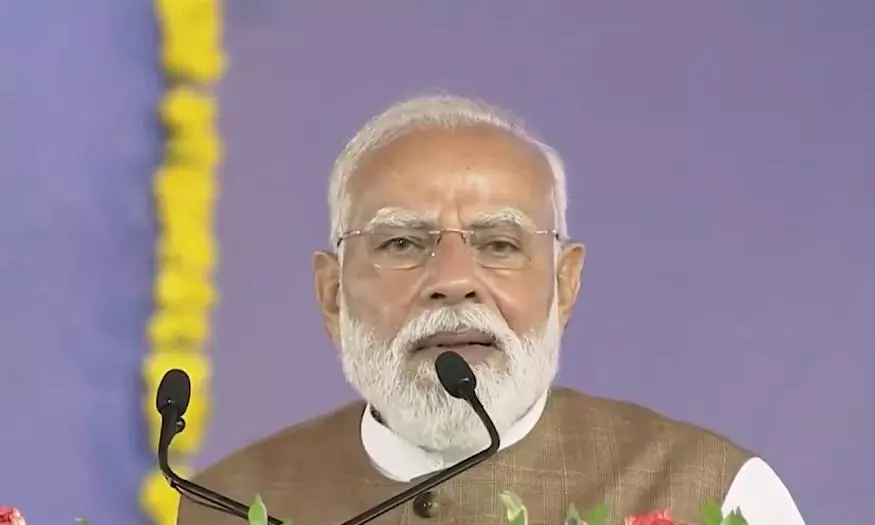
Hyderabad: Prime Minister Narendra Modi on Monday announced that indigenously designed and built 500 megawatt Prototype Fast Breeder Reactor (PFBR) at Kalpakkam has attained criticality -- which means that it is producing more nuclear fuel than it is consume. This makes India only the second country to run breeder reactors after Russia. Criticality means the start of controlled fission chain reaction: In the PFBR, it means producing more nuclear fuel and electric power. The PFBR runs on a mix of Plutonium-239 (the 'fire) and Uranium-238 ('the breeding ground'). This mix fires atomic particle ...Read More >

New Delhi, April 8 (SocialNews.XYZ) The International Energy Agency (IEA) on Wednesday praised India and Prime Minister Narendra Modi on the successful achievement of the first criticality of the 500 MWe Prototype Fast Breeder Reactor (PFBR), calling it an important technological milestone. In a post on X, the global energy body lauded Indian scientists and engineers for the achievement, which comes after years of development. The IEA said the reactor will use significantly less nuclear fuel compared to conventional reactors and would help pave the way for a "pathway towards a closed fuel cy ...Read More >
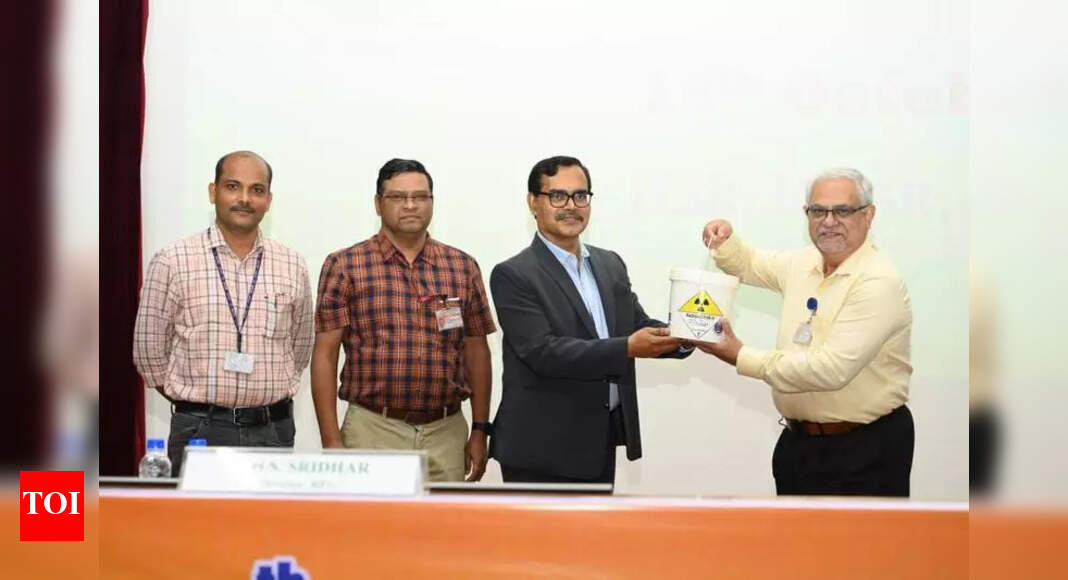
Chennai: India's fast breeder reactor programme achieved twin milestones this week. The Fast Breeder Test Reactor (FBTR) at the Indira Gandhi Centre for Atomic Research (IGCAR), Kalpakkam, marked 40 years of attaining first criticality. Meanwhile, engineers began loading fuel into the Prototype Fast Breeder Reactor (PFBR), the country's most advanced and complex atomic power plant.Officials said the Atomic Energy Regulatory Board (AERB) recently granted permission for fuel loading into the 500 MWe PFBR being developed by Bharatiya Nabhikiya Vidyut Nigam (BHAVINI) at Kalpakkam. The reactor is e ...Read More >


New Delhi: Two major reform bills-one to open up and modernise India's nuclear energy sector, and another to overhaul higher education regulation-alongside a proposal to repeal 71 obsolete laws were introduced in the Lok Sabha on Monday. The Sustainable Harnessing and Advancement of Nuclear Energy for Transforming India (SHANTI) Bill, 2025, aims to unlock India's nuclear power potential by replacing the Atomic Energy Act, 1962, and the Civil Liability for Nuclear Damage Act, 2010. The move is significant as India targets a sharp expansion in nuclear capacity to support its clean energy transi ...Read More >
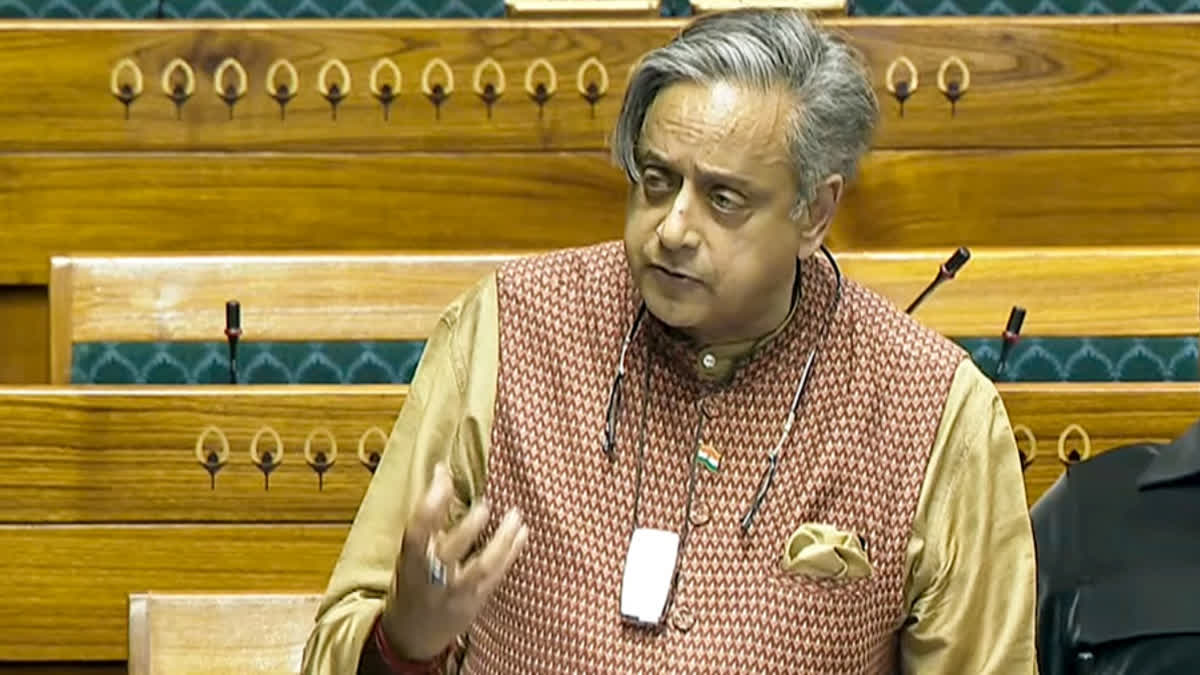

New Delhi: Congress MP Shashi Tharoor on Wednesday described the government's nuclear energy bill as a "dangerous leap into privatised nuclear expansion" without adequate safeguards and asserted that the pursuit of capital cannot be allowed to override the requirements of public safety, environmental protection and victim justice. Participating in a debate on the Sustainable Harnessing and Advancement of Nuclear Energy for Transforming India (SHANTI) Bill in the Lok Sabha, Tharoor claimed that the proposed legislation is ridden with exceptions, heavy on discretion and largely indifferent to p ...Read More >
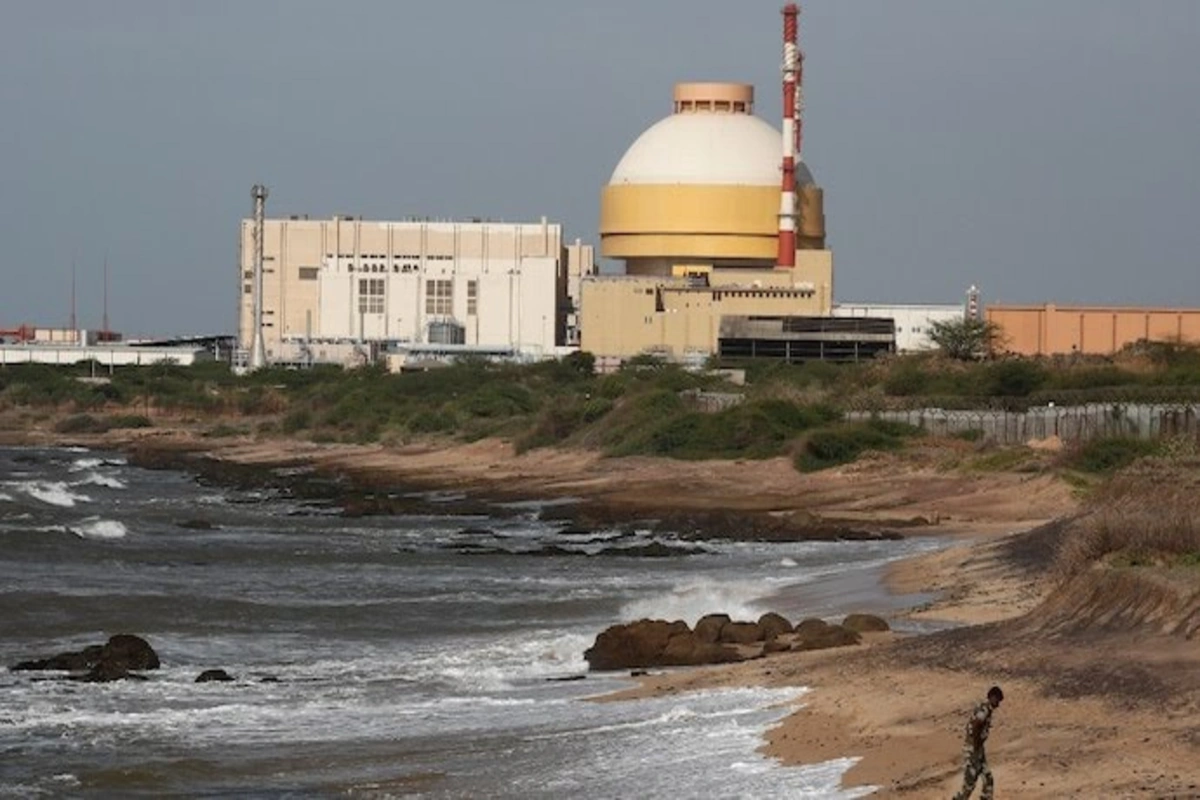

UP Nuclear Power Plant: In a significant move aimed at strengthening long-term energy security, NTPC Limited is exploring the possibility of setting up a nuclear power plant in Uttar Pradesh. The initiative comes amid rising electricity demand and the need for cleaner, sustainable energy sources. Senior officials of NTPC confirmed that preliminary discussions and feasibility assessments are currently underway. Key factors such as land availability, water resources, environmental impact, and regulatory approvals are being evaluated before finalizing the project. According to officials, the di ...Read More >
New Delhi [India], April 8 (ANI): NTPC Limited has entered into a non-binding Memorandum of Understanding (MoU) with Électricite de France (EDF) to jointly explore opportunities for developing nuclear power projects in India. This follows approval from the concerned ministries & departments of the Government of India. The MoU was signed by Arnada Prasad Samal, CGM (Nuclear Cell), on behalf of NTPC, and Vakisasi Ramany, Senior Vice President, International Nuclear Development, on behalf of EDF. According to a statement released by NTPC, "The MoU establishes a framework for both companies to ...Read More >
New Delhi [India], April 6 (ANI): Prime Minister Narendra Modi on Monday lauded India's first indigenous Prototype Fast Breeder Reactor at Kalpakkam for attaining criticality, calling it a "defining step in India's civil nuclear journey". In a post on X, the PM reflected on the strengths of the reactor and recognised this as a "decisive step towards harnessing our vast thorium reserves." Expressing pride over the achievement, the PM congratulated the scientists and engineers involved in the programme. Also Read | Breach of Discipline During PM Modi Rally: Kerala Police Begins Probe Into Offi ...Read More >
New Delhi, Apr 6 (PTI) Union Home Minister Amit Shah on Monday congratulated scientists for building the Prototype Fast Breeder Reactor at Kalpakkam as it attained criticality, a development he described as a "new epoch" in India's civil nuclear programme. India's 500 Mwe-Prototype Fast Breeder Reactor (PFBR) in Tamil Nadu's Kalpakkam achieved first criticality, Prime Minister Narendra Modi announced on Monday. First criticality in a fast breeder reactor is the moment when the nuclear chain reaction becomes self-sustaining. In a post on X, Shah said, "New epoch in our civil nuclear program. ...Read More >
NEW DELHI: India has taken a major step towards nuclear fuel self-reliance after its indigenously developed Prototype Fast Breeder Reactor (PFBR) at Kalpakkam attained criticality, marking the start of a controlled nuclear reaction and advancing the country's long-term atomic energy programme.The milestone, confirmed on Monday, marks a crucial stage before full power generation begins. Once operational, the reactor is expected to play a key role in India's plan to scale nuclear power capacity to 100 gigawatts by 2047, from the current level of around eight gigawatts.Prime Minister Narendra Mod ...Read More >
New Delhi, April 6 (SocialNews.XYZ) Prime Minister Narendra Modi on Monday hailed the country's scientists for indigenously designing and building the Prototype Fast Breeder Reactor at Kalpakkam in Tamil Nadu. The Prime Minister said that India has taken a defining step in its civil nuclear journey, advancing the second stage of its nuclear programme. "The indigenously designed and built Prototype Fast Breeder Reactor at Kalpakkam has attained criticality," he said. The Prime Minister added that this advanced reactor, capable of producing more fuel than it consumes, reflects the depth of th ...Read More >

NEW DELHI - As India and Singapore explore newer areas of cooperation such as nuclear energy and green initiatives, Deputy Prime Minister Gan Kim Yong said the two Asian partners needed to collaborate even more, given the increasingly "volatile landscape" globally. DPM Gan, who was on an official trip to India earlier this week, visited the financial capital Mumbai on Aug 12 to look at Singapore projects. He then led the Singapore delegation at the third edition of the India-Singapore Ministerial Roundtable (ISMR) in the capital city New Delhi on Aug 13. The ISMR, which held its first meet ...Read More >


New Delhi: The United States is committed to collaborate with India on export of high-quality products and services for India to achieve energy security and economic growth, a US Embassy official said Tuesday. Addressing the 3rd Energy Summit of the Indo-American Chamber of Commerce, the official of the US Embassy in New Delhi also noted that collaboration between both countries can drive transformative change in the global energy space. Amid global geopolitical and supply chain volatility, Xiabing Feng, Principal Commercial Officer, US Embassy in India has said the US is committed to collab ...Read More >