
Stay updated with the latest nuclear-fuel news, articles, and insights from trusted sources. Explore in-depth coverage and expert analysis on nuclear-fuel topics.
)

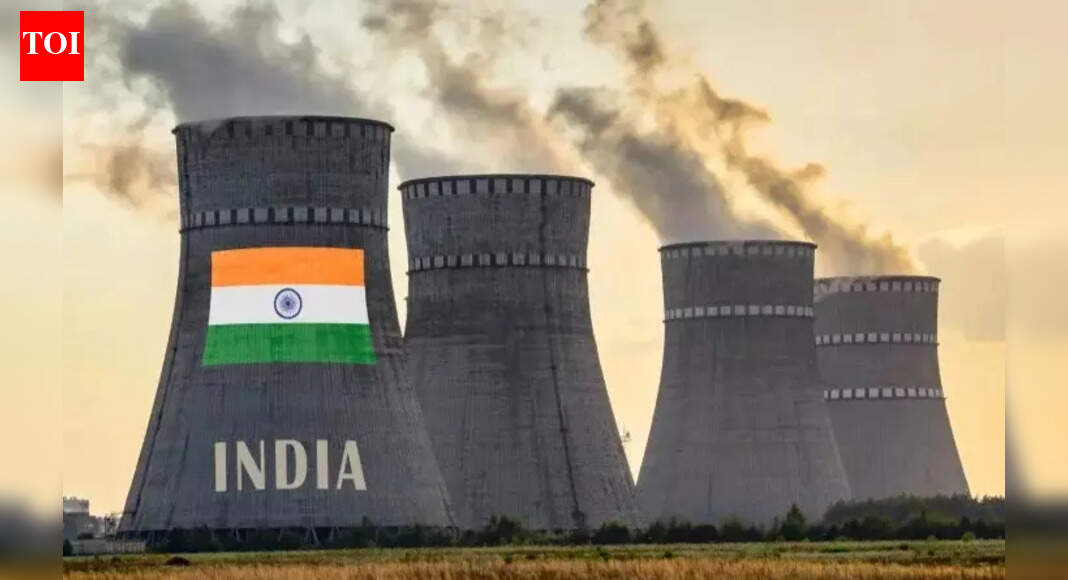
Nuclear power currently contributes 3 per cent of India's electricity generation. New Delhi: India took a significant step towards energy independence on 6 April 2026, when the indigenously designed and built Prototype Fast Breeder Reactor (PFBR) at Kalpakkam attained first criticality. This moment marked the start of a sustained and controlled nuclear chain reaction in the 500 MWe reactor, a technology India has pursued for decades. With this achievement, the country formally entered the sec ...Read More >


New Delhi, April 8 (SocialNews.XYZ) The International Energy Agency (IEA) on Wednesday praised India and Prime Minister Narendra Modi on the successful achievement of the first criticality of the 500 MWe Prototype Fast Breeder Reactor (PFBR), calling it an important technological milestone. In a post on X, the global energy body lauded Indian scientists and engineers for the achievement, which comes after years of development. The IEA said the reactor will use significantly less nuclear fuel c ...Read More >

Surat, April 7 (SocialNews.XYZ) Nuclear energy expert Dr Neelam Goyal on Tuesday called the attainment of criticality at the Prototype Fast Breeder Reactor (PFBR) in Tamil Nadu's Kalpakkam, as a "big win for India" and an "important step towards 'Atmanirbhar Bharat'." The indigenously designed and built Prototype Fast Breeder Reactor (PFBR) successfully attained its first criticality on April 6, marking the initiation of a sustained nuclear chain reaction. Speaking to IANS, Goyal mentioned tha ...Read More >
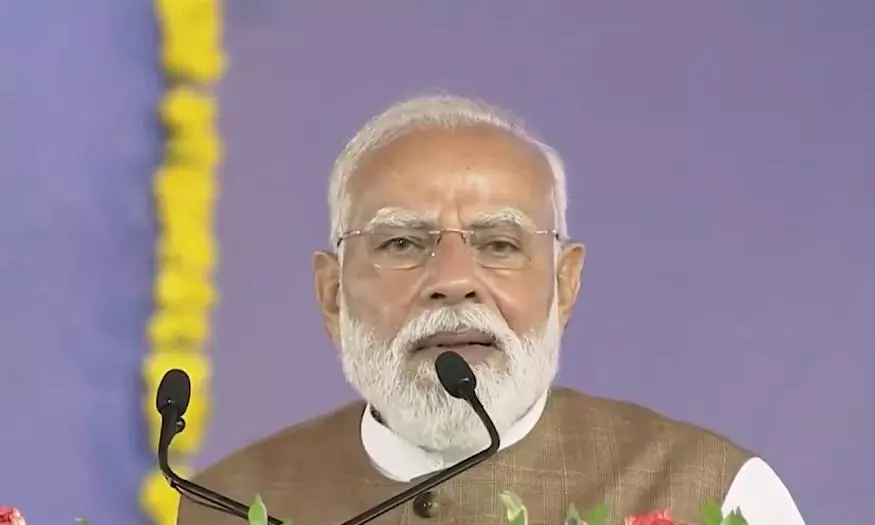

Hyderabad: Prime Minister Narendra Modi on Monday announced that indigenously designed and built 500 megawatt Prototype Fast Breeder Reactor (PFBR) at Kalpakkam has attained criticality -- which means that it is producing more nuclear fuel than it is consume. This makes India only the second country to run breeder reactors after Russia. Criticality means the start of controlled fission chain reaction: In the PFBR, it means producing more nuclear fuel and electric power. The PFBR runs on a mix o ...Read More >
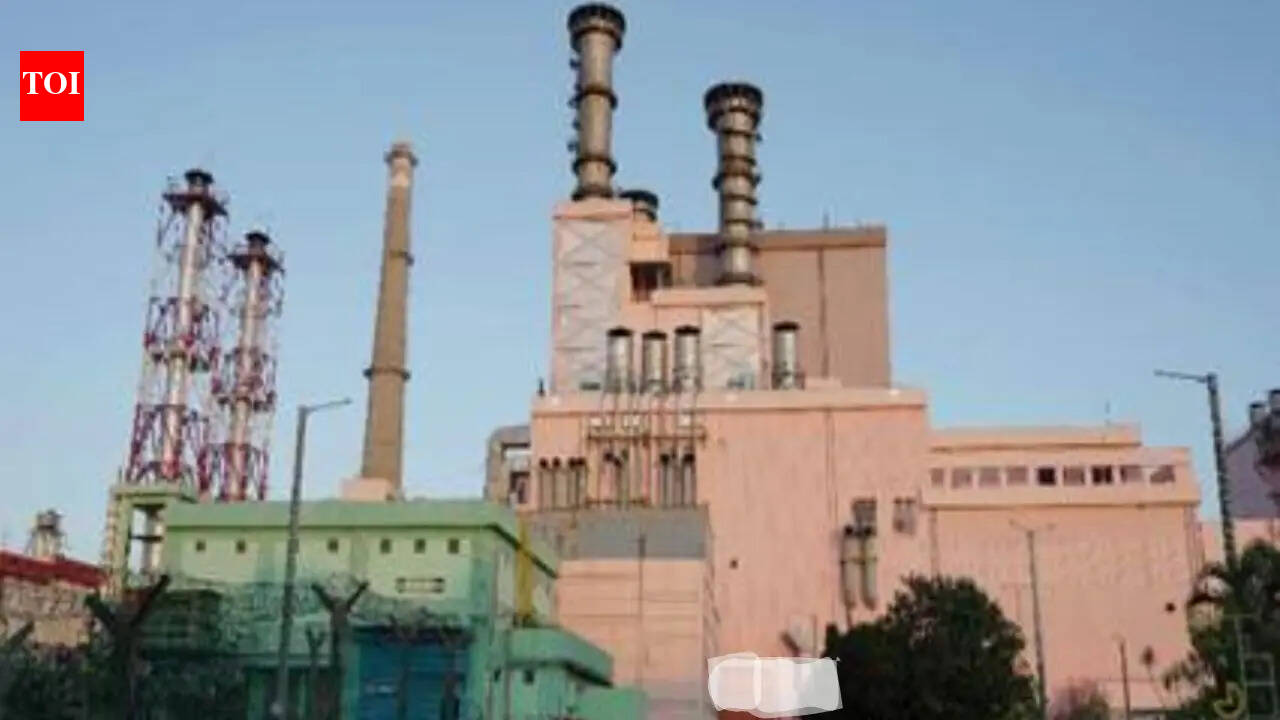

NEW DELHI: India has taken a major step towards nuclear fuel self-reliance after its indigenously developed Prototype Fast Breeder Reactor (PFBR) at Kalpakkam attained criticality, marking the start of a controlled nuclear reaction and advancing the country's long-term atomic energy programme.The milestone, confirmed on Monday, marks a crucial stage before full power generation begins. Once operational, the reactor is expected to play a key role in India's plan to scale nuclear power capacity to ...Read More >
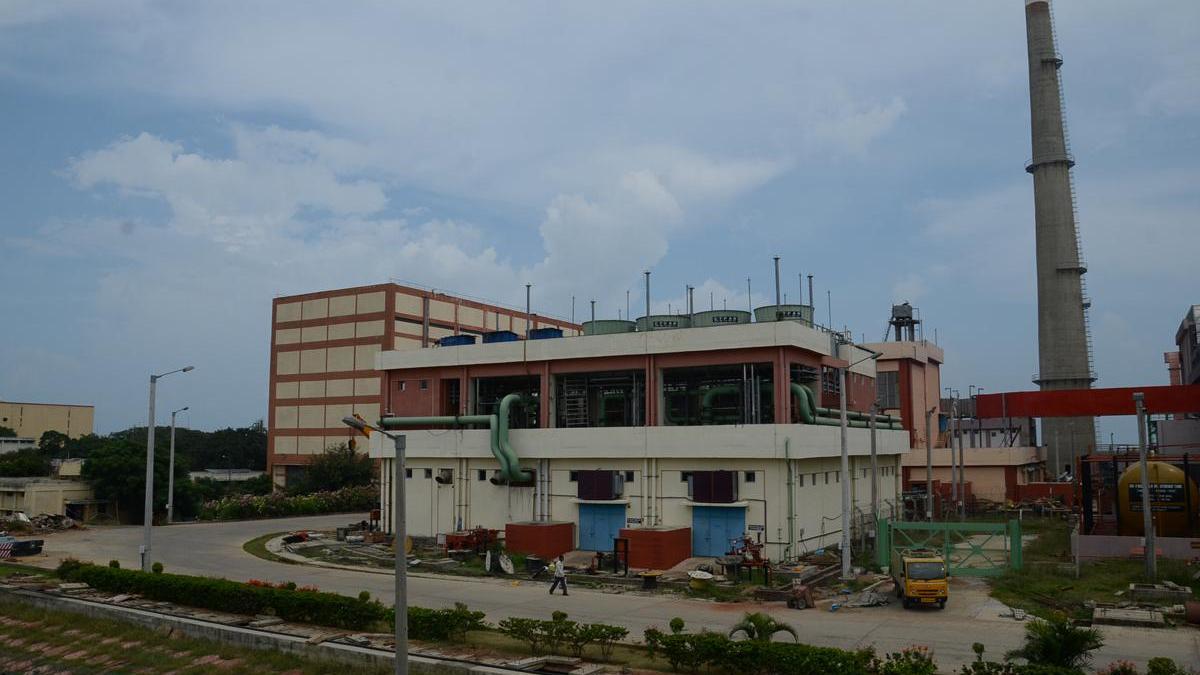

India's first prototype fast-breeder reactor (PFBR) in Tamil Nadu's Kalpakkam on Monday (April 6, 2026) came another step forward in its civil nuclear journey as it attained criticality. First criticality in a fast breeder reactor is the moment when the nuclear chain reaction becomes self-sustaining. A breeder reactor is a nuclear reactor that produces more fissile material than it consumes. In a 'fast' breeder reactor, the neutrons aren't slowed, allowing them to trigger specific fission react ...Read More >

NEW DELHI - India has moved closer to producing its own nuclear fuel after a domestic-designed reactor began a controlled nuclear reaction, an important step before it can start generating power. Energy-hungry India, the world's most populous country and third-largest emitter of greenhouse gases, has ambitious plans to expand nuclear power capacity from its current eight to 100 gigawatts by 2047. Prime Minister Narendra Modi said the Prototype Fast Breeder Reactor at Kalpakkam attained "critic ...Read More >


CHENNAI: India on Monday achieved a major milestone in its civil nuclear programme, with the Prototype Fast Breeder Reactor (PFBR) at Kalpakkam attaining criticality, the stage at which a controlled, self-sustaining nuclear chain reaction begins. Prime Minister Narendra Modi described it as a "defining step" in advancing the second stage of India's nuclear programme. "The indigenously designed and built Prototype Fast Breeder Reactor at Kalpakkam has attained criticality... a decisive step towa ...Read More >
New Delhi, April 6 (SocialNews.XYZ) Prime Minister Narendra Modi on Monday hailed the country's scientists for indigenously designing and building the Prototype Fast Breeder Reactor at Kalpakkam in Tamil Nadu. The Prime Minister said that India has taken a defining step in its civil nuclear journey, advancing the second stage of its nuclear programme. "The indigenously designed and built Prototype Fast Breeder Reactor at Kalpakkam has attained criticality," he said. The Prime Minister added t ...Read More >


The Prototype Fast Breeder Reactor (PFBR), located at the Indira Gandhi Centre for Atomic Research campus in Kalpakkam, Tamil Nadu, is operated by Bharatiya Nabhikiya Vidyut Nigam Limited (BHAVINI). Prime Minister Narendra Modi on Monday hailed a major milestone in India's civil nuclear programme, announcing that the indigenously built Prototype Fast Breeder Reactor (PFBR) at Kalpakkam, Tamil Nadu, has attained 'criticality'. Notably, 'criticality' refers to the stage at which a nuclear reacto ...Read More >


Mumbai, Mar 30 (PTI) Bank credit to industry grew at faster pace of 13.5 per cent on the fortnight ending February 28, compared with 7.5 per cent in the year-ago period, according to the RBI data released on Monday. The buoyant growth is majorly driven by higher growth in 'infrastructure', 'all engineering', 'chemicals and chemical products', 'petroleum, coal products and nuclear fuels' and 'textiles', said the Reserve Bank of India (RBI). The RBI has released data on sectoral deployment of ba ...Read More >


Mumbai, Mar 30 (PTI) Bank credit to industry grew at faster pace of 13.5 per cent on the fortnight ending February 28, compared with 7.5 per cent in the year-ago period, according to the RBI data released on Monday. The buoyant growth is majorly driven by higher growth in 'infrastructure', 'all engineering', 'chemicals and chemical products', 'petroleum, coal products and nuclear fuels' and 'textiles', said the Reserve Bank of India (RBI). The RBI has released data on sectoral deployment of ba ...Read More >
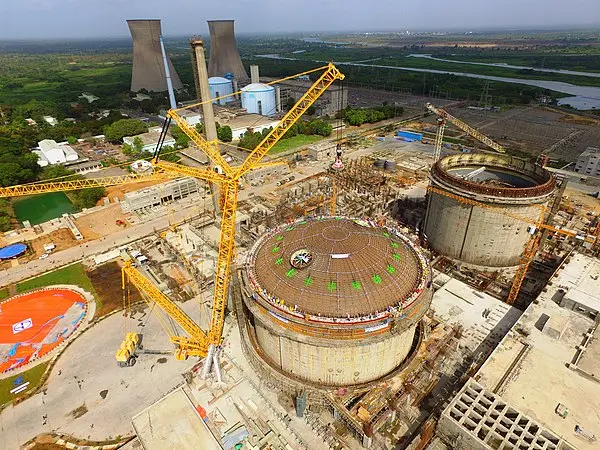
New Delhi: Even as the Lok Sabha passed the Sustainable Harnessing and Advancement of Nuclear Energy for Transforming India (SHANTI) Bill, 2025 -- a bill that aims to end the decades-long state monopoly on nuclear power and enables the sector's privatization -- the Opposition Member of Parliaments (MPs) have not just staged a walkout from the lower house but also raised serious concerns about 'loopholes'. 'Nuclear bill or unclear bill?' "The SHANTI Bill is a milestone Mr. minister but for the ...Read More >
New Delhi, Dec 17 (PTI) Congress MP Shashi Tharoor on Wednesday described the government's nuclear energy bill as a "dangerous leap into privatised nuclear expansion" without adequate safeguards and asserted that the pursuit of capital cannot be allowed to override the requirements of public safety, environmental protection and victim justice. Participating in a debate on the Sustainable Harnessing and Advancement of Nuclear Energy for Transforming India (SHANTI) Bill in the Lok Sabha, Tharoor ...Read More >
. New Delhi: The amended atomic energy bill was tabled in LS Monday, paving way for a huge policy shift in India's atomic sector that is expected to accelerate civil nuclear energy production by opening doors for private players. The sector has till now been the preserve of govt enterprises.Sustainable Harnessing and Advancement of Nuclear Energy for Transforming India (SHANTI) Bill, 2025, introduced by MoS for department of atomic energy Jitendra Singh in the House, seeks to repeal Atomic Energ ...Read More >


NEW DELHI, Dec 15: Minister of Science & Technology Dr Jitendra Singh today introduced the landmark Sustainable Harnessing and Advancement of Nuclear Energy for Transforming India Bill, 2025 , that is "SHANTI" Bill 2025, in Parliament on Monday. The Bill aims to repeal both the Atomic Energy Act, 1962 and the Civil Liability for Nuclear Damage Act, 2010 and open India's highly restricted nuclear power sector to private participation. Last week, the Union Cabinet gave nod to the landmark atomic ...Read More >
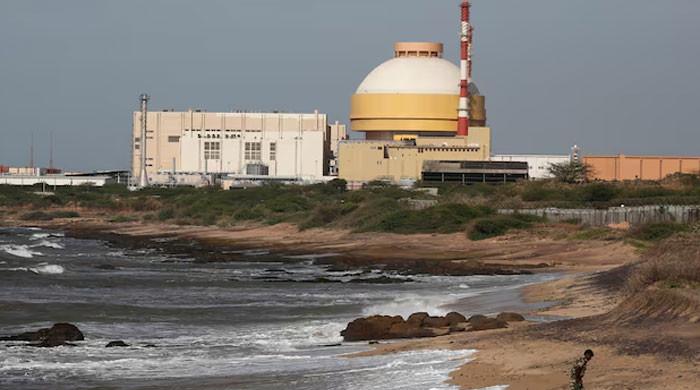

NEW DELHI: India on Monday set in motion steps to end decades of state control over nuclear power, by introducing a bill in parliament that would allow private firms to build and operate plants as the government seeks to make atomic energy central to its clean energy push. Foreign companies in a joint venture with Indian companies could apply for a licence if selected to do so by the government. India's nuclear sector has been tightly guarded since its first reactor went online in 1969, shaped ...Read More >


New Delhi: The Centre is exploring the option of converting retired coal-based power plants to nuclear plants, said two people in the know of the developments. The need for conversion arises due to the requirement of large land parcels for nuclear plants even as the government aims to install over 22 GW of nuclear capacity by 2032 and 100 GW by 2047 from the current 8.7 GW. The government has already asked states to come up with plans to set up at least one nuclear plant each. "The possibilit ...Read More >
Stay updated with the latest None news, articles, and insights from trusted sources. Explore in-depth coverage and expert analysis on None topics.