
India's economic engine is revving up, but navigating the global headwinds requires sharp strategy. The rupee's recent volatility against the dollar underscores the complexities facing Indian businesses, impacting everything from import-export trade to domestic inflation. This week alone, we've seen significant shifts in the IT sector, with major players announcing restructuring and a renewed focus on AI-driven solutions. Meanwhile, the burgeoning startup ecosystem continues to attract substantial funding, despite a cautious global investor sentiment. The government's recent policy announcements on infrastructure development and digitalization are poised to further shape the business landscape, creating both opportunities and challenges for entrepreneurs and established corporations alike. Understanding these market dynamics is crucial for success in today's rapidly evolving Indian economy. Stay informed with Abtak.com for the latest insights and analysis on key sectors including finance, manufacturing, and technology – empowering your business decisions in a dynamic market. Explore the complete business news section now to stay ahead of the curve.

Welcoming GST 2.0 reforms, the Kanara Chamber of Commerce and Industry (KCCI), Mangaluru, has urged the Union government to consider service sector rationalisation through a three-tier structure to further strengthen the reforms. The three-tier structure proposed by the chamber includes "nil GST for medical, legal, education, and government services; 12% GST for essential and business input services; and 18% GST for consumption services". Anand G. Pai, president of the chamber, said, "We also r


New Delhi: Prime Minister Narendra Modi has remarked that eight years since GST was introduced, it stands out as a landmark reform that has reshaped India's economic landscape. "By reducing the compliance burden, it has greatly improved the Ease of Doing Business, particularly for small and medium enterprises", Shri Modi stated. The Prime Minister posted on X: "Eight years since it was introduced, GST stands out as a landmark reform that has reshaped India's economic landscape. By reducing the compliance burden, it has greatly improved the Ease of Doing Business, particularly for small and me ...Read More >
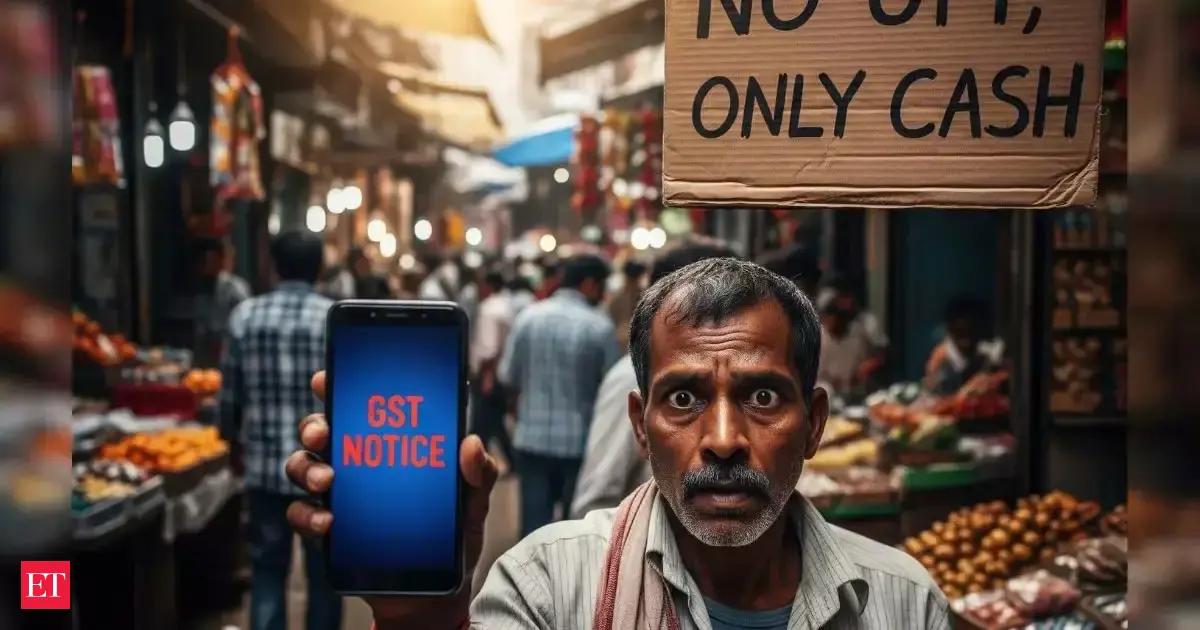
India's UPI system, despite its global success, faces backlash as small vendors receive GST notices based on digital transaction data. This has led to a shift back to cash transactions, with vendors fearing tax scrutiny. Concerns rise that aggressive formalisation efforts may push the informal economy further underground, undermining the goals of financial inclusion and transparency. By all official accounts, India's digital payments revolution is a runaway success. The Unified Payments Interfac ...Read More >
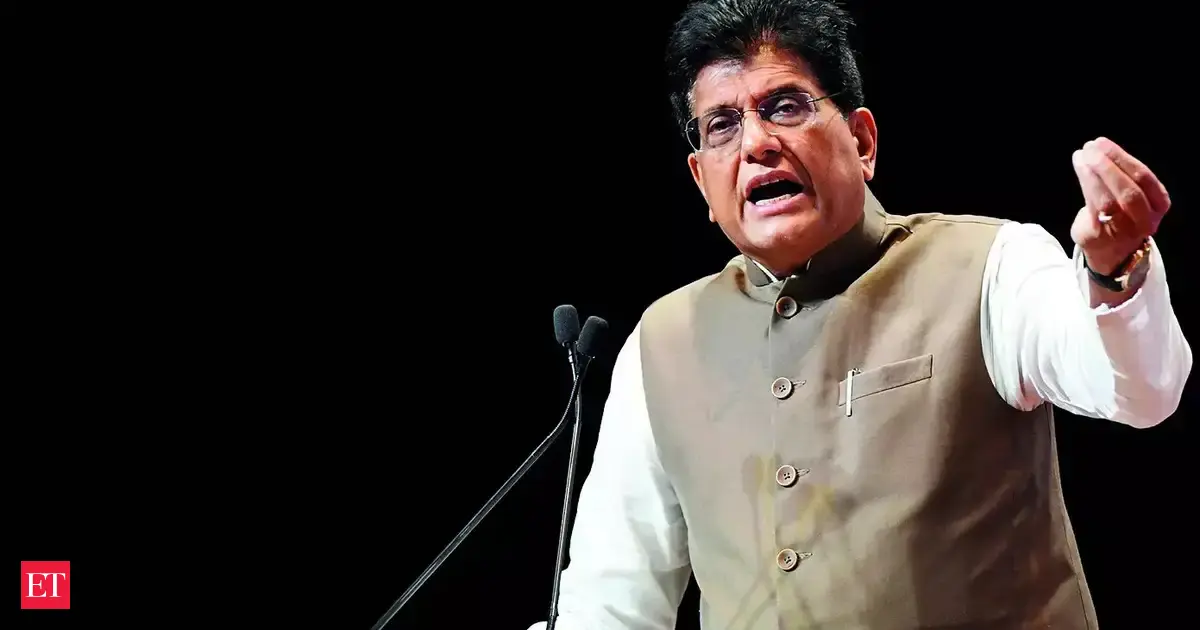
Piyush Goyal urges industry to pass on GST reduction benefits to consumers, anticipating boosted demand, exports, and economic growth. GST reforms, effective September 22, are expected to lower input costs for MSMEs and exporters, reducing inflationary pressures. India is also diversifying export markets amid US tariffs, exploring opportunities with countries like UAE and Singapore. Commerce and industry minister Piyush Goyal said he has asked industry to pass on the benefits of lower goods and ...Read More >
GST 2.0 simplifies India's indirect tax regime with two core rates of 5% and 18%, plus a 40% de-merit slab. Insurance premiums become GST-exempt, renewables gain from lower costs, and consumer electronics see relief. The reform aims to boost compliance, influence spending patterns, and realign sectoral margins. India's indirect tax regime has undergone a structural shift. Announced on September 5, 2025, and scheduled to take effect from September 22, GST 2.0 rationalises the current four-tiered ...Read More >

New Delhi: On July 1, 2025, the Goods and Services Tax (GST) will complete eight years since its rollout. It was introduced in 2017 as a major step towards economic integration. GST replaced a maze of indirect taxes with a single and unified system. It made tax compliance easier, reduced costs for businesses and allowed goods to move freely across states. According to the government, by improving transparency and efficiency, GST helped lay the foundation for a stronger and more integrated economy. A recent survey report by Deloitte claims that 85 per cent of respondents reported a positive ex ...Read More >
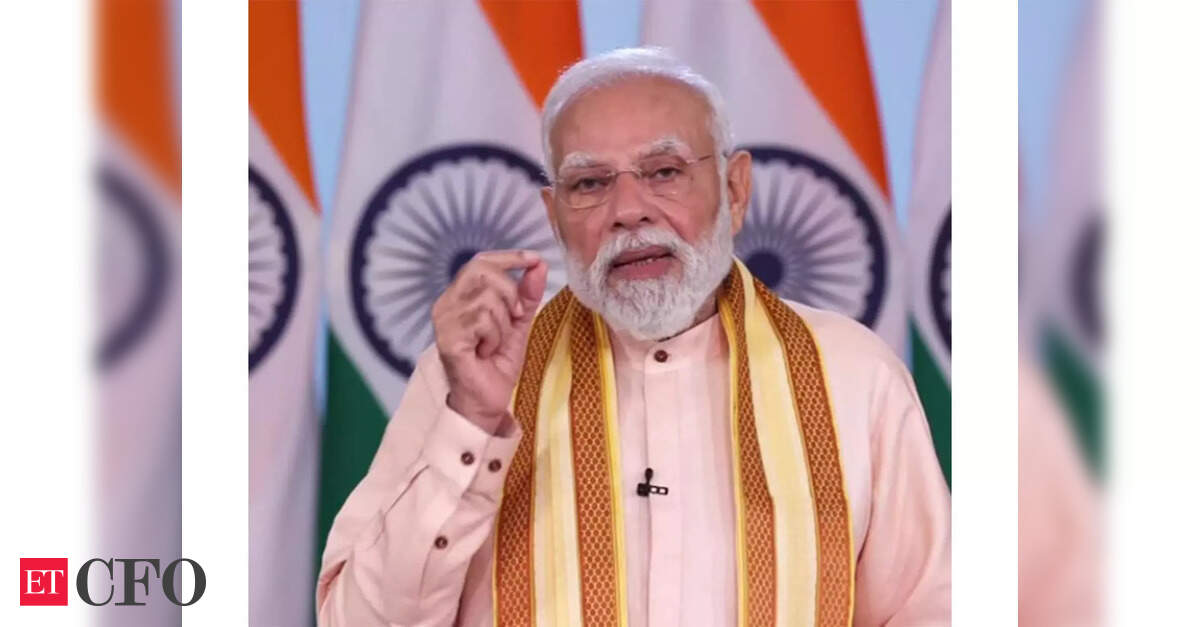
Addressing the Rozgar Mela virtually, the prime minister highlighted that the reform would increase exports and give young people new opportunities to work on global projects. Hailing the new Goods and Services Tax (GST) reforms, Prime Minister Narendra Modi on Friday asserted that the country is seeing the "positive impact in the MSME sector and retail trade" and would create new employment opportunities. Addressing the Rozgar Mela virtually, the prime minister highlighted that the reform woul ...Read More >

The rationalisation will not only reduce vehicle prices but also support MSMEs in the auto component supply chain, enhance logistics efficiency, and incentivise replacement of old, polluting vehicles with fuel-efficient models. The government's sweeping rationalisation of Goods and Services Tax (GST) rates for the automobile and road transport sector is set to make vehicles more affordable, strengthen manufacturing competitiveness, and generate large-scale employment, the Ministry of Road Transpo ...Read More >

NEW DELHI, Aug 15 (Reuters) - Indian Prime Minister Narendra Modi said on Friday the goods and services tax (GST) would be reformed and taxes lowered by Diwali, the Hindu festival of lights, set to be celebrated in October this year. "This Diwali, I am going to make it a double Diwali for you. Over the past eight years, we have undertaken a major reform in goods and services tax. We are bringing next-generation GST reforms that will reduce the tax burden across the country," he said during a spe ...Read More >